2026 Tesla Model Y Review: Shocking Updates That Change Everything
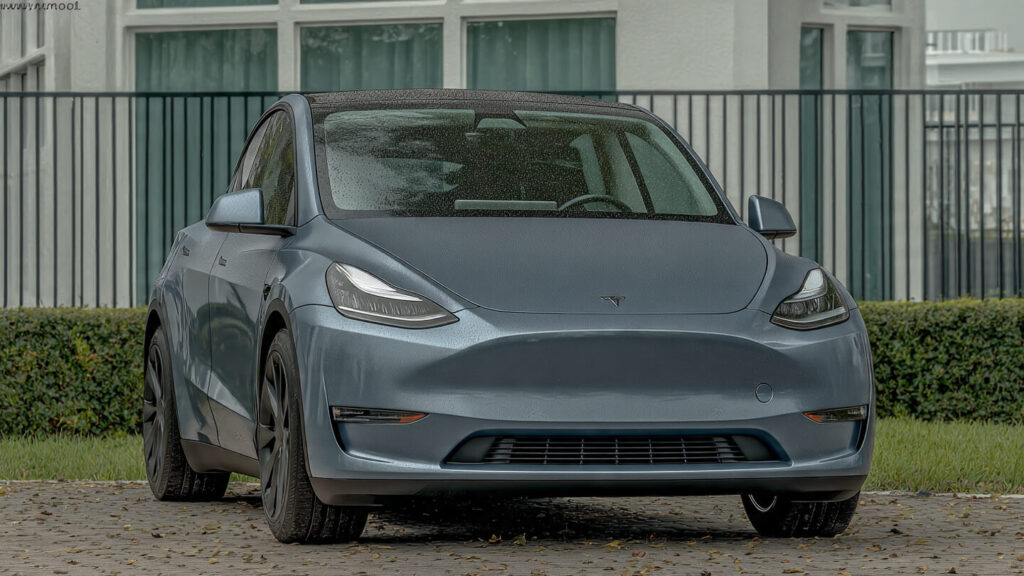
Tesla doesn’t do things halfway. The 2026 Tesla Model Y proves that with a comprehensive refresh that addresses nearly every complaint owners had with previous versions. Starting at $50,380 for the Long Range trim, this updated electric SUV brings meaningful improvements without losing the formula that made it America’s best-selling vehicle.
The question isn’t whether Tesla improved the Model Y. They clearly did. The real question is whether these updates justify the price tag in an increasingly competitive electric SUV market.
What’s Actually New in the 2026 Model Y
The automotive world calls it the “Juniper” update, and it’s more substantial than typical mid-cycle refreshes. Tesla redesigned the exterior for better aerodynamics, which directly translates to efficiency gains. The interior received upgrades that finally feel premium enough to match the price point.
But here’s what matters most: Tesla focused heavily on repairability. The new trunk design makes servicing significantly easier, which should reduce those nightmare repair bills Tesla owners love complaining about on Reddit. Production ramped up at the Austin, Texas facility with these improvements baked in from day one.
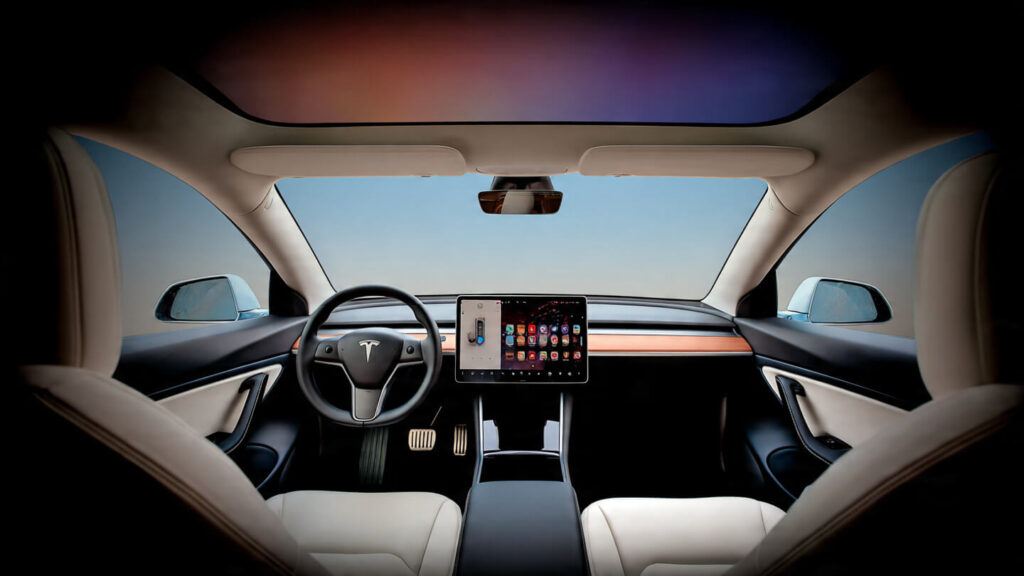
The 15-inch touchscreen remains standard, but the overall cabin aesthetic now competes more directly with luxury brands. Dual power front seats, heated steering wheel, and dual-zone climate control create an environment that justifies calling this a premium vehicle.
2026 Tesla Model Y Price Breakdown
Tesla simplified the lineup, though “simplified” might be generous:
- Long Range AWD: $50,380 MSRP
- Launch Series Long Range: $61,380 MSRP
Both trims come exclusively with dual-motor all-wheel drive. Tesla’s website mentions rear-wheel drive options from previous model years with 321-mile range, but current 2026 specs focus on AWD configurations. Optional extras like roof rails add to the bottom line, and actual pricing varies significantly based on regional incentives, taxes, and available federal EV credits.
That $50,380 starting price positions the 2026 Tesla Model Y competitively against gas-powered midsize SUVs when you factor in fuel savings and maintenance costs over five years. The Launch Series at $61,380 targets buyers who want premium features immediately without customizing.
Performance That Actually Impresses
Numbers tell part of the story. The Long Range hits 60 mph in 4.6 seconds, while the Launch Series shaves that to 4.1 seconds. Both max out at 125 mph, which you’ll never use but feels good knowing it’s there.
The 81 kWh battery delivers EPA-estimated ranges of 327 miles for Long Range and 320 miles for Launch Series. Real-world range depends heavily on driving style, weather conditions, and highway versus city driving. Aggressive acceleration and sustained highway speeds will knock 15-20% off those estimates, which honestly applies to every EV on the market.
Where the Model Y surprises people is towing capacity. At 3,500 pounds, you can haul a decent-sized trailer or boat, though expect significant range reduction when towing. The 4,396-pound curb weight and 6.6 inches of ground clearance make this feel more substantial than compact crossovers without the bulk of three-row SUVs.
Charging Speed and Daily Reality
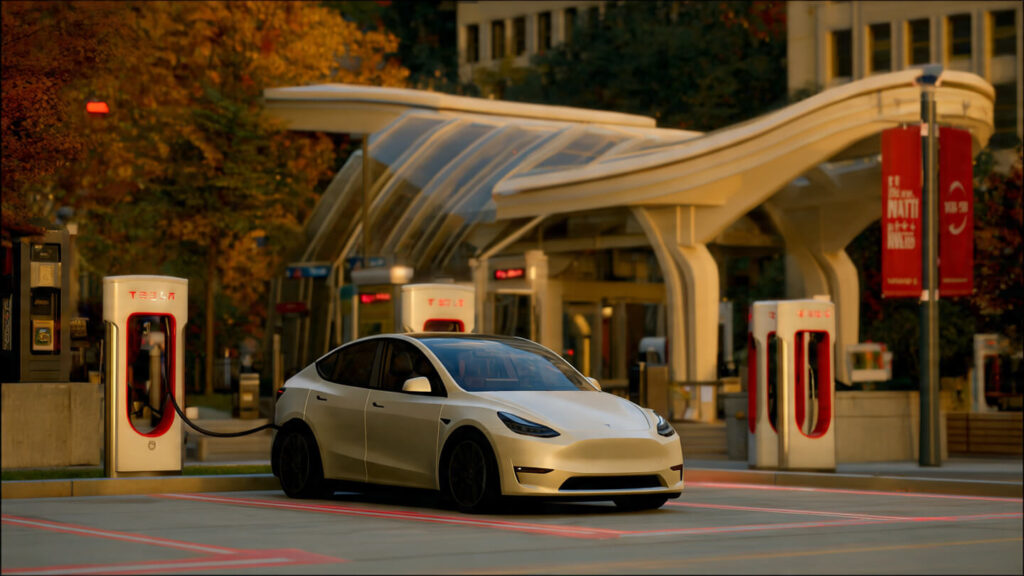
Tesla’s Supercharger network remains the secret weapon. The 2026 Tesla Model Y supports up to 250 kW charging speeds, adding 182 miles of range in 15 minutes under ideal conditions. Pay-per-use pricing means you’re not locked into subscriptions, though frequent road trippers should calculate those costs.
Home charging makes more sense for daily driving. A Level 2 home charger fully replenishes the battery overnight, and most Model Y owners rarely use Superchargers except for trips. This fundamentally changes the ownership experience compared to gas vehicles—you leave home with a “full tank” every morning.
The efficiency improvements in the Juniper refresh mean you’re getting more miles per kWh, which translates to lower charging costs whether at home or Superchargers.
Interior Space and Practical Considerations
The 188.6-inch overall length provides surprising interior room. Tesla lists 76 cubic feet of total cargo volume including the front trunk and rear cargo area. The panoramic moonroof creates an airy cabin feel that makes the interior seem larger than dimensions suggest.
Families will appreciate the child seat anchors, child door locks, and rear ventilation ducts. The power liftgate makes loading groceries easier, while wireless charging keeps phones topped up without cables cluttering the minimalist interior.
Door pockets, front and rear cupholders, and dual illuminating vanity mirrors handle daily family life basics. The power tilt and telescoping steering wheel with audio and cruise controls means less reaching for the touchscreen while driving.
Technology and Safety Features
Standard safety equipment reads like a luxury car’s options list: blind-spot monitoring, collision warning, front/side/rear cameras, front and rear parking sensors, and adaptive cruise control. Traction and stability control with hill start assist provide confidence in varied conditions.
The electrochromatic rearview mirror automatically dims for night driving. Rain-sensing wipers adjust speed based on precipitation. The alarm system and remote keyless entry round out convenience features.
Tesla’s touchscreen interface handles navigation with real-time traffic, voice recognition, and smartphone integration. Bluetooth streaming audio, hands-free phone, and premium satellite radio options keep occupants entertained. Internet access enables over-the-air updates that continuously improve the vehicle post-purchase.
Exterior Design Changes Worth Noting
The Juniper refresh brought sleeker aerodynamics that you can actually see. Alloy wheels, fog lights, power folding mirrors with heating elements, and privacy glass create a more premium appearance than previous Model Y versions.
The updated exterior isn’t radical, but refinements add up. Better panel gaps, improved paint quality, and thoughtful design tweaks address common criticisms from earlier production runs.
Warranty and Long-Term Ownership
Tesla provides a basic vehicle warranty covering four years or 50,000 miles, whichever comes first. That’s shorter than some competitors, but over-the-air software updates mean your Model Y improves over time rather than becoming outdated.
The Supercharger network access provides peace of mind for road trips. Battery degradation remains the big unknown for long-term ownership, though most Tesla batteries retain 80-90% capacity after 200,000 miles based on owner data.
How It Stacks Against Competition
The 2026 Tesla Model Y competes against established players and emerging EV brands. The Hyundai Ioniq 5, Ford Mustang Mach-E, and Volkswagen ID.4 offer compelling alternatives with different strengths.
Tesla’s advantages remain acceleration, range, and charging infrastructure. The 4.6-second 0-60 time beats most competitors, and 327 miles of range leads the segment. Supercharger reliability exceeds third-party networks, which matters on long trips.
Where competitors win: interior materials quality, traditional controls, and sometimes better warranty coverage. Some buyers prefer physical buttons over touchscreen-everything interfaces.
Who Should Buy the 2026 Tesla Model Y
Families needing 300+ mile range with quick charging capability should seriously consider the Model Y. Tech enthusiasts who want over-the-air updates and cutting-edge features will love it. Anyone prioritizing performance in an SUV package gets serious value at this price point.
First-time EV buyers benefit from Tesla’s mature charging network and user-friendly interface. The autonomous-ready hardware means future software updates could add capabilities as regulations allow.
Who should skip it: People who need three-row seating, want traditional luxury materials, or live in areas with limited charging infrastructure.
Final Verdict on the 2026 Tesla Model Y
The Juniper refresh addresses real complaints while maintaining what made the Model Y successful. Improved repairability, better efficiency, and refined design justify the evolution even if they don’t revolutionize the segment.
At $50,380, the 2026 Tesla Model Y delivers competitive value when factoring total ownership costs. The combination of range, performance, technology, and charging infrastructure remains hard to beat, even as competition intensifies.
Tesla’s best-seller status will likely continue through 2026. Whether that’s because it’s genuinely the best electric SUV or because Tesla perfected marketing and charging infrastructure remains debatable. Either way, this updated Model Y deserves your consideration if you’re shopping electric.
Ready to make the switch to electric? Check out local inventory and available incentives in your area—savings can reduce that sticker price significantly depending on where you live.
☕ Buy Me a Coffee

Pingback: Instagram Outage Explained: What Happened and What Users Need to Know - The Evident
Pingback: iPhone 18 Pro Max Battery Life: Can 40+ Hours Beat Your Current Phone? - The Evident
Pingback: Best AI Tools for Teachers: Ultimate 2026 Classroom Guide - The Evident