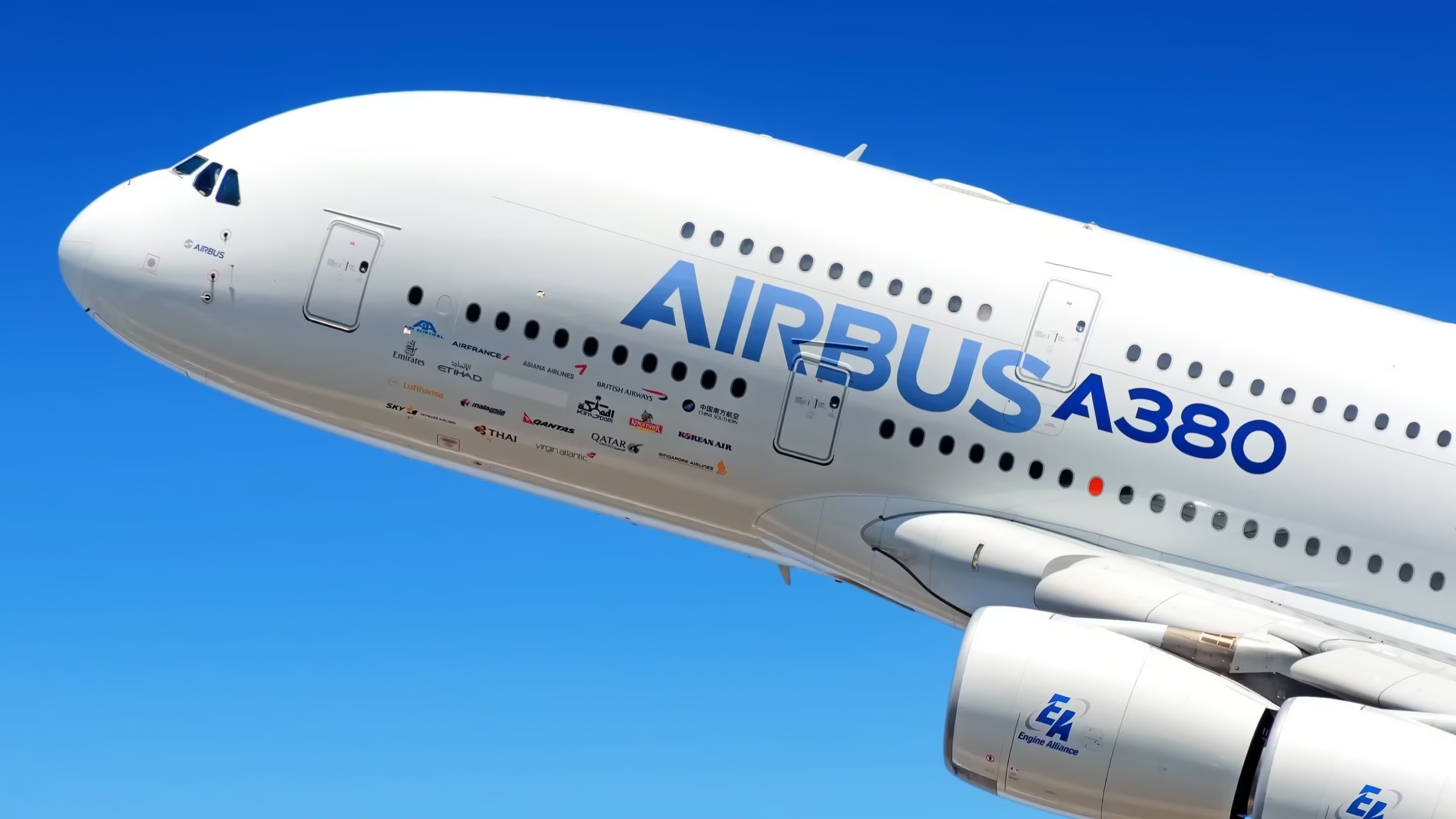
When the Airbus A380 first lifted off in 2005, it carried more than passengers. It carried an idea — that the future of aviation would be bigger, denser, and centered on mega-hubs linking the world’s busiest cities. Two decades later, production has ended, airlines have retired dozens of aircraft, yet the world’s largest passenger jet continues to fly daily.
The story of the Airbus A380 is not one of technical failure. It is a lesson in economic timing, strategic miscalculation, and how global aviation quietly changed course.
The Vision Behind the World’s Largest Airliner
Airbus designed the A380 for a future dominated by hub-and-spoke travel. The assumption was simple: airports would become increasingly congested, forcing airlines to move more passengers per flight rather than adding more flights.
With seating for over 500 passengers, two full-length decks, and unprecedented cabin comfort, the A380 was engineered to move massive volumes of travelers between global hubs such as London, Dubai, Singapore, and Los Angeles.
Technically, the aircraft was a triumph. Passengers loved its quiet cabins and smooth ride. Pilots praised its advanced fly-by-wire systems. Airports showcased it as a symbol of modern aviation.
But aviation economics do not reward beauty alone.
Where the Economics Began to Break
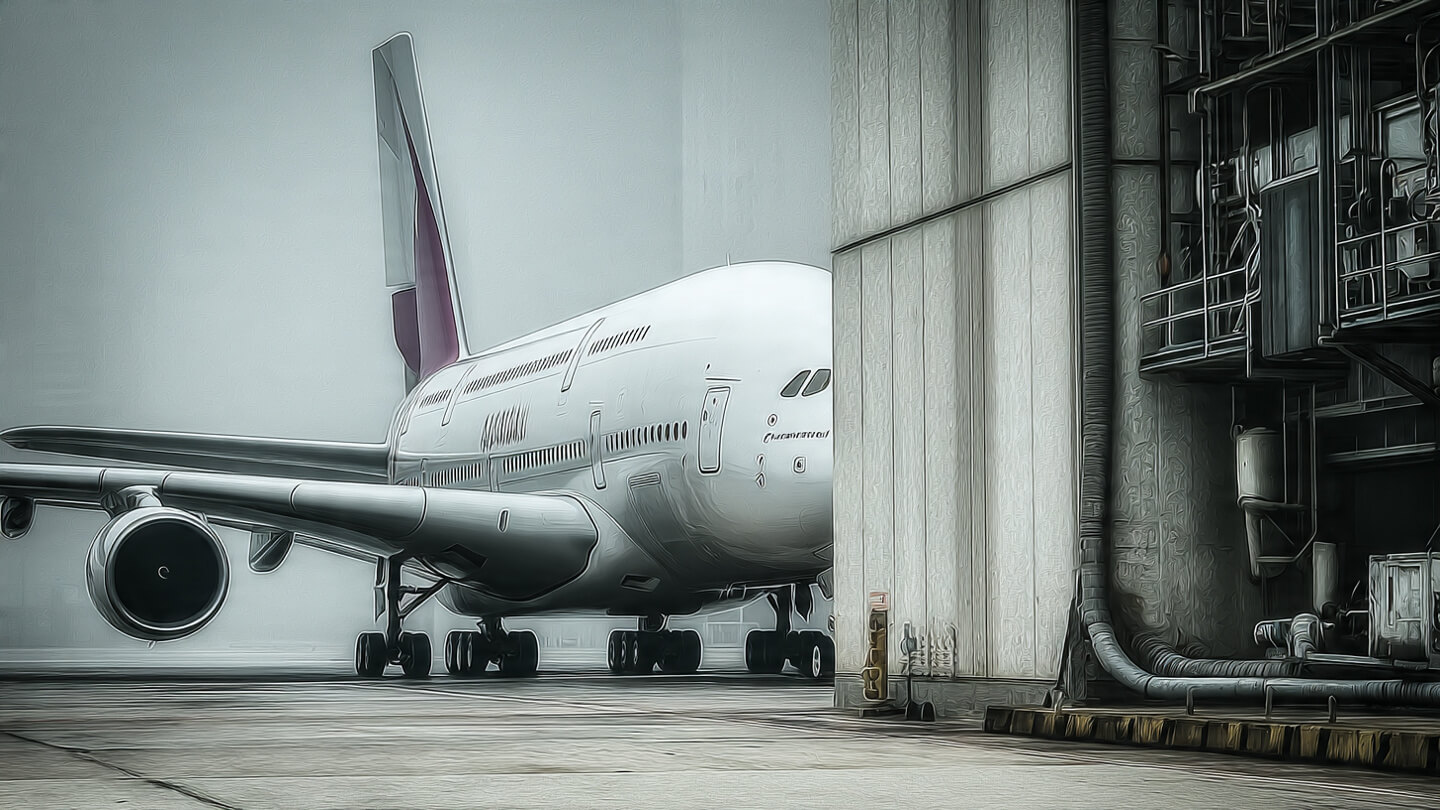
The A380 entered service in 2007, just as the industry began shifting in the opposite direction.
Airlines discovered that passengers preferred direct point-to-point routes over connections through mega-hubs. At the same time, advances in engine technology allowed twin-engine aircraft like the Boeing 787 and Airbus A350 to fly long distances with far lower fuel burn.
This shift quietly undermined the A380’s core advantage.
Operating an A380 is expensive:
- Four engines instead of two
- Fuel burn of roughly 4,600 gallons per hour
- Higher crew requirements
- Specialized maintenance and airport handling
- Limited airport compatibility
A fully loaded A380 could be profitable. A partially filled one could bleed money fast.
For many airlines, consistently filling 500+ seats — across all classes — proved unrealistic outside a handful of routes.
The Emirates Factor: One Airline, One Aircraft
By the late 2010s, Emirates had become the A380’s lifeline. The Dubai-based airline ordered more than 100 aircraft, building its entire long-haul identity around the superjumbo.
But even Emirates could not carry the program alone.
In 2019, Emirates reduced a major A380 order, triggering a cascade of cancellations. Airbus publicly acknowledged that production was no longer viable. The final A380 rolled off the assembly line in 2021, ending a program that produced just 251 aircraft — roughly half of what Airbus originally projected.
From a manufacturing standpoint, the decision was unavoidable.
Why Airlines Retired the A380 — And Why Some Didn’t
After production ended, many assumed the A380 would rapidly vanish from the skies. That did not happen.
Some airlines exited early:
- Air France retired its fleet by 2020
- Thai Airways withdrew its single A380
- Malaysia Airlines followed a similar path
For these carriers, demand patterns and cost structures simply didn’t align.
Others did the opposite.
As global travel rebounded after the pandemic, airlines faced aircraft delivery delays, pilot shortages, and surging demand on major trunk routes. Suddenly, the A380 made sense again — not everywhere, but in very specific conditions.
Today, airlines like Emirates, British Airways, Lufthansa, Qantas, and Singapore Airlines continue to operate the aircraft profitably on dense, premium-heavy routes.
The A380’s Unexpected Second Life
By 2025, nearly 190 A380s remain in active service.
The reasons are pragmatic:
- Depreciated Assets
Many A380s are already paid off, making them cheaper to operate than financing new aircraft. - Premium Revenue Strength
First and Business Class cabins on the A380 generate outsized revenue on long-haul routes. - Slot Constraints
At airports like Heathrow, flying bigger aircraft remains more efficient than adding flights. - Passenger Experience
Despite industry trends, passengers consistently rate the A380 as one of the most comfortable aircraft in the sky.
In other words, the A380 did not fail — it became niche.
A Strategic Miscalculation, Not a Design Failure
Airbus’s real mistake was not building the A380. It was betting too heavily on one future.
Aviation evolved toward flexibility, efficiency, and frequency. The A380 represented scale and consolidation. Both visions had merit — but only one aligned with airline balance sheets.
Ironically, Airbus itself became the A380’s replacement architect. The A350 now dominates long-haul markets with lower costs and greater flexibility, validating the industry’s pivot.
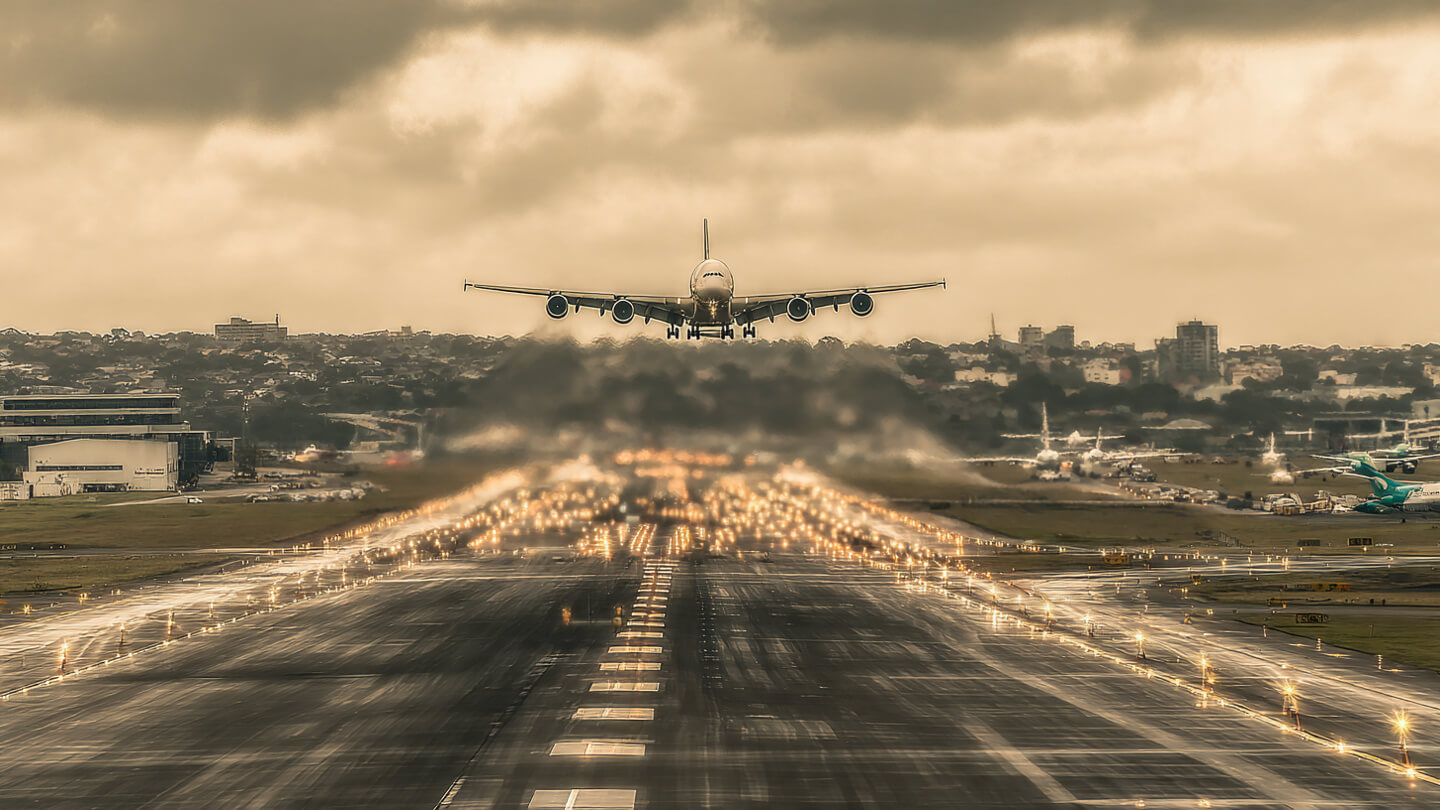
What the A380 Teaches the Aviation Industry
The Airbus A380 stands as a reminder that:
- Market forecasts age faster than aircraft
- Technical excellence cannot override economics
- Aircraft success depends on who flies it, where, and why
For a select group of airlines, the A380 still works — and will continue flying into the late 2030s.
It may never be built again.
But it is far from forgotten.
Buy me a coffee – https://buymeacoffee.com/lksd
👍
Pingback: Famous Time Travel Stories Explained: Legends That Refuse to Die - The Evident