Cancer remains one of the leading causes of death worldwide, yet medical science continues to prove a powerful truth: early detection saves lives. In England, the National Health Service (NHS) has built one of the world’s most comprehensive, publicly funded cancer screening systems—designed to identify disease before symptoms appear, when treatment is most effective and less invasive.
From breast and bowel cancer to cervical screening and the emerging national lung health checks, these programs aim not only to reduce mortality but also to close health inequalities and lower long-term healthcare costs. For millions of people, a simple invitation letter—or a notification on the NHS App—can make the difference between early intervention and late-stage diagnosis.
This guide explains how NHS cancer screening programs works, who is eligible, what to expect, and why these programs matter not just for the UK, but as a global public-health model.
Why Cancer Screening Matters
Screening is not about diagnosing illness—it is about identifying risk early. Many cancers develop silently for years. By the time symptoms appear, treatment can be more complex, expensive, and physically demanding.
According to NHS data, screening programs:
- Detect cancers at earlier, more treatable stages
- Prevent some cancers entirely by removing pre-cancerous changes
- Reduce emergency diagnoses, which have poorer outcomes
- Lower pressure on hospitals over time
However, screening is a personal choice. Understanding both benefits and limitations is essential.
The Four Main NHS Cancer Screening Programs
The NHS currently runs four national cancer screening initiatives, guided by the UK National Screening Committee to ensure benefits outweigh potential harms.
1. Breast Cancer Screening
Breast cancer is the most common cancer among women in England. The NHS Breast Screening Programme aims to detect tumors before they can be felt.
- Who: Women aged 50–70
- How often: Every 3 years
- Test: Mammogram (X-ray of the breast)
- Over 70: Self-referral available
- High-risk individuals: Earlier and more frequent screening due to family history or genetic mutations (e.g., BRCA1/2)
Roughly 7 in 10 women screened receive a normal result. Abnormal findings do not necessarily mean cancer—many are benign changes that require further checks.
2. Bowel (Colorectal) Cancer Screening
Bowel cancer is highly treatable when found early, yet it often shows no symptoms in initial stages.
- Who: Adults aged 50–74
- Frequency: Every 2 years
- Test: FIT (Faecal Immunochemical Test) home kit
- 75+: Can request screening via NHS helpline (0800 707 6060)
The FIT test detects tiny amounts of blood in stool that are invisible to the naked eye. In 2025, the NHS expanded this program to include millions more people, significantly improving early detection rates.
3. Cervical Cancer Screening (HPV-First)
Cervical cancer is now largely preventable due to HPV testing.
- Who: People with a cervix aged 25–64
- Ages 25–49: Every 3 years
- Ages 50–64: Every 5 years
- From July 2025: HPV-negative individuals aged 25–49 move to 5-year intervals
The test checks for high-risk HPV, the virus responsible for nearly all cervical cancers. If HPV is not present, cancer risk is extremely low.
Invitations are increasingly sent digitally via the NHS App, improving participation and reducing missed appointments.
4. Lung Cancer Screening (Targeted Program)
Lung cancer causes more cancer deaths than any other type, largely due to late diagnosis. The NHS is addressing this through targeted lung health checks.
- Who: Adults aged 55–74
- Eligibility: Current or former smokers
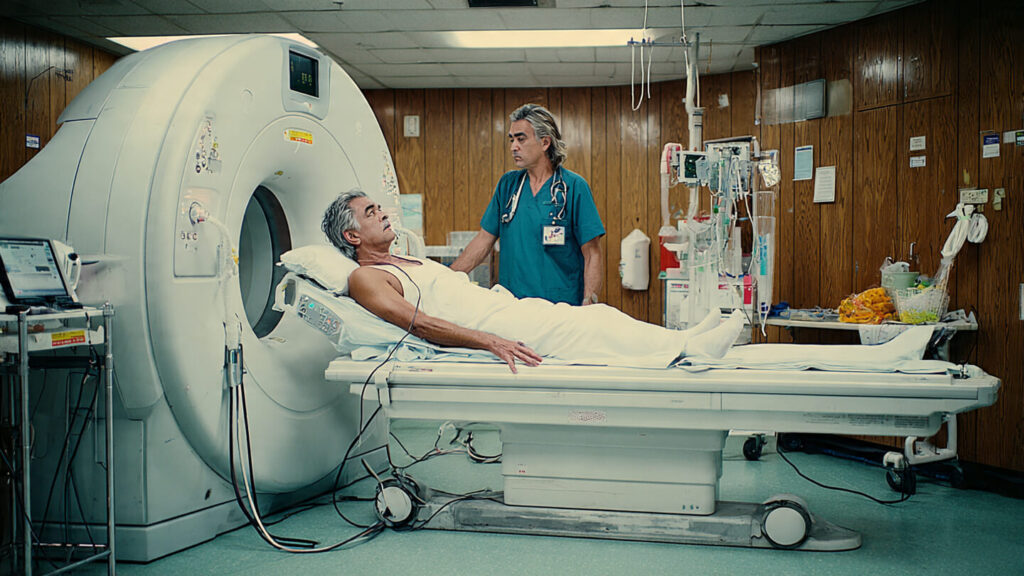
- Process: Risk assessment → low-dose CT scan if high-risk
- Status: Pilot programs expanding nationwide
In one pilot area, 52 lung cancers were detected from just 2,300 scans, most at an early stage—far higher than national averages.
Eligibility at a Glance
| Program | Age Range | Frequency | Key Notes |
|---|---|---|---|
| Breast | 50–70 | Every 3 years | Self-refer after 70 |
| Bowel | 50–74 | Every 2 years | Home test, symptom-free |
| Cervical | 25–64 | 3–5 years | HPV-based |
| Lung | 55–74 | Varies | Smokers/ex-smokers |
Important: All programs require GP registration. People without a fixed address can arrange screening through their local GP surgery.
What Happens After Screening?
- Screen negative: No immediate action needed, but future screening remains important
- Screen positive: Further tests are offered (e.g., colonoscopy, biopsy, imaging)
- False results: Rare but possible—screening does not replace seeing a GP for symptoms
Screening reduces risk; it does not eliminate it.
Benefits, Risks, and Personal Choice
Benefits
- Earlier treatment
- Less aggressive therapy
- Improved survival rates
- Reduced long-term healthcare costs
Risks
- Anxiety from false positives
- Discomfort from follow-up tests
- Rare false negatives
- Over-treatment of slow-growing conditions
Participation is voluntary. Individuals can opt out or rejoin at any time.
Recent NHS Updates (2025–2026)
- Cervical screening: Extended intervals for HPV-negative younger adults
- Bowel screening: Full rollout for ages 50–74
- Lung screening: Multi-year pilot expansions
- Digital access: NHS App invitations and reminders
- Equity focus: Targeting underserved communities
A Global Public-Health Model
The NHS cancer screening framework demonstrates how publicly funded prevention can save lives at scale. For countries grappling with rising cancer rates and healthcare costs, England’s model offers a blueprint: invest early, screen smartly, and reach people before disease advances.
For individuals, the message is simple—open the letter, take the test, and talk to your doctor. It might just save your life.