Tesla Discontinues Model S and Model X: The End of an Era and a High-Risk Pivot
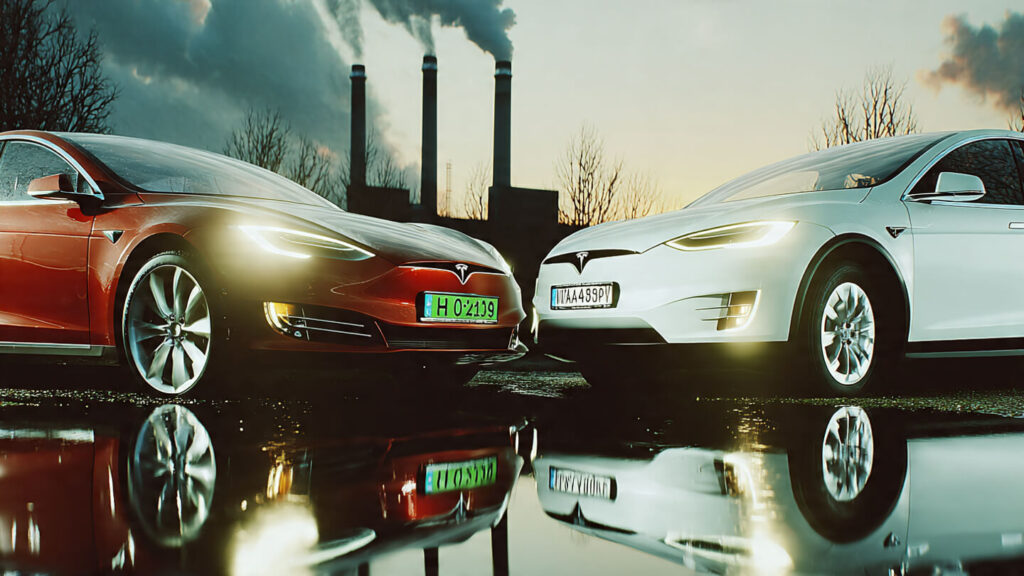
When Tesla discontinues Model S and Model X, it isn’t just retiring two vehicles — it’s closing the chapter that built the company’s reputation in the first place.
During Tesla’s Q4 2025 earnings call on January 28, 2026, Elon Musk confirmed what many industry watchers had quietly expected: production of the Model S sedan and Model X SUV will be phased out by the end of Q2 2026. Manufacturing will begin winding down in Q1, with a full halt by June.
Musk called it an “honorable farewell.” And that phrase matters. Because these cars weren’t just products — they were proof that electric vehicles could be fast, luxurious, and desirable long before the rest of the industry caught up.
So why now? And what does this decision really signal about Tesla’s future?
Let’s break it down.
Why Tesla Is Discontinuing Model S and Model X
On the surface, the reasoning seems simple: declining sales and aging platforms. But the reality goes much deeper.
Aging Vehicles in a Faster-Moving Market
The Model S debuted in 2012. The Model X followed in 2015. In tech years, that’s ancient.
While Tesla refreshed both models in 2021 — adding the controversial yoke steering and a redesigned interior — updates since then have been minor. A small June 2025 refresh added new paint colors, ambient lighting, and a bumper camera, alongside a $5,000 price increase.
Meanwhile, competitors didn’t slow down.
- Lucid Air now outperforms the Model S in range, interior quality, and perceived luxury
- Rivian’s R1S has eaten directly into the Model X’s SUV market
- German automakers have flooded the premium EV space with newer platforms
Tesla’s early advantage faded, and the numbers made that clear.
Sales Decline Told the Real Story
Tesla stopped reporting Model S and Model X sales separately back in 2023. Instead, they were grouped into “Other Models” alongside the Cybertruck and Semi — a quiet signal that these vehicles were no longer strategic priorities.
The data from 2025 paints a clear picture.
“Other Models” Deliveries (FY 2025)
- Q1 2025: 12,881
- Q2 2025: 10,394
- Q3 2025: 15,933
- Q4 2025: 11,642
- Full Year Total: 50,850 units
That figure includes Cybertruck and Semi deliveries, meaning actual Model S and Model X sales were likely closer to 30,000–50,000 units globally.
Compare that to Tesla’s core business:
- Model 3 and Model Y: ~1.6 million units in 2025
- Percentage of total deliveries: ~97%
At Fremont, Tesla had capacity to build about 100,000 S/X vehicles per year. Utilization had been weak for years, with year-over-year declines exceeding 30% by late 2024.
From a manufacturing efficiency standpoint, the decision was inevitable.
Financial Pressure Made the Choice Easier
Tesla’s Q4 2025 earnings call added urgency to the move.
- Adjusted earnings fell 16%
- Net income dropped 61%
- Full-year profit declined 46% to $3.8 billion
- Revenue fell to $94.8 billion, down from $97.7 billion in 2024
This marked Tesla’s first annual revenue decline ever.
High-priced, low-volume vehicles weren’t helping stabilize margins, especially when:
- Model S pricing sat at $84,990
- Model X pricing reached $89,990
- Model 3 and Y started around $40,000
Tesla needed to protect cash flow — and simplify operations.
Interestingly, the stock rose about 2% after hours following the announcement, suggesting Wall Street had already priced in the decline of these models.
The Real Reason: Tesla’s Bet on Robotics and Autonomy
Here’s where the story gets bigger.
Tesla isn’t just killing off old cars. It’s repurposing its future.
Fremont Becomes an Optimus Hub
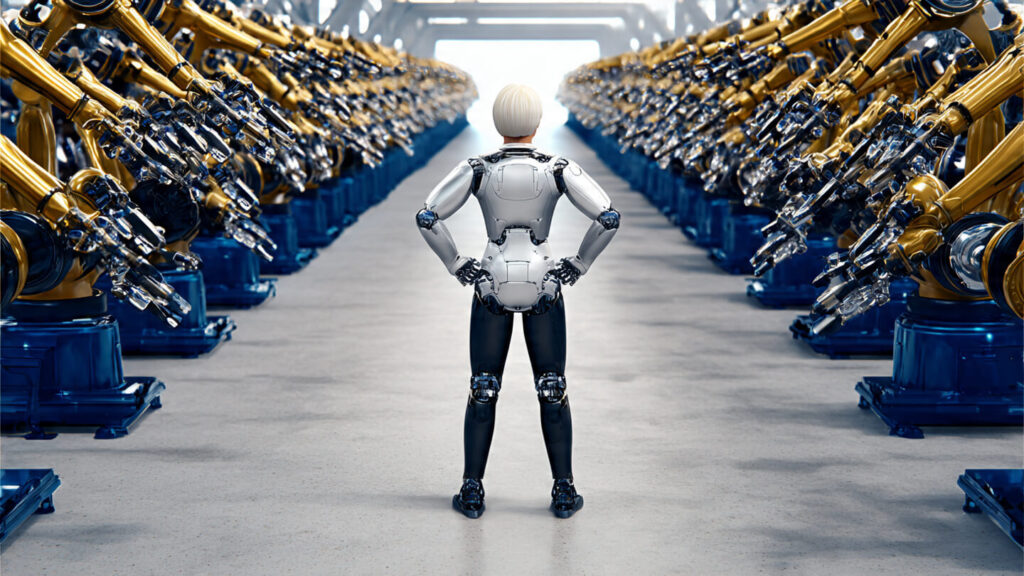
The Fremont factory, long home to Model S and X production, is being converted into a manufacturing center for Tesla’s Optimus humanoid robot.
According to Musk:
- First-generation Optimus production lines are already being installed
- Optimus V3 will be unveiled in Q1 2026
- Tesla aims to build thousands of robots in 2025
- Target production for 2026: 50,000–100,000 units
Tesla has also invested $2 billion into xAI, Musk’s artificial intelligence venture, reinforcing that this isn’t a side project — it’s the company’s next core bet.
Optimus is designed to handle repetitive and manual tasks across:
- Manufacturing
- Warehousing
- Logistics
- Eventually homes and service industries
Musk has repeatedly stated that he believes humanoid robots could become Tesla’s most valuable product line — far surpassing cars.
What This Means for Tesla’s Car Business
With the Model S and Model X gone, Tesla’s lineup becomes sharply focused:
- Model 3
- Model Y
- Cybertruck
That’s it.
No new mass-market car has been introduced in nearly seven years, and critics argue Musk’s attention has shifted away from traditional automotive innovation.
There are growing questions:
- Will the Cybertruck remain niche?
- Is a true next-generation affordable Tesla still coming?
- Could more legacy models eventually face the same fate?
For now, Model 3 and Y remain the company’s financial backbone, funding Tesla’s push into autonomy, AI, and robotics.
What About Existing Model S and X Owners?
Tesla has been clear on one important point.
Owners aren’t being abandoned.
The company has committed to:
- Continuing service indefinitely
- Honoring all warranties
- Providing long-term parts support
In fact, Musk even encouraged interested buyers to purchase remaining inventory while they still can — framing the vehicles as something closer to future classics than outdated products.
Industry Reaction: Shock, But Not Surprise
Across the EV industry, reactions have been mixed.
Many analysts view the move as logical, if emotionally difficult. The Model S proved EVs could be aspirational. The Model X showed electric SUVs could exist at scale.
But the market moved on.
Others worry Tesla is taking on too much risk by betting heavily on a humanoid robot market that hasn’t yet proven commercial demand at scale.
Autonomy and robotics promise massive upside — but execution risk is high.
Is This the Right Move?
That depends on one thing: whether Optimus works.
If Tesla successfully scales humanoid robot production and finds real-world demand, discontinuing Model S and Model X may be remembered as a visionary pivot.
If not, critics will point to this moment as when Tesla stepped away from what it did best.
Either way, the decision marks a turning point.
Tesla is no longer trying to win every segment of the car market. It’s trying to redefine what kind of company it is.
Final Thoughts: The Legacy Lives On
When Tesla discontinues Model S and Model X, it isn’t erasing their legacy.
Those vehicles:
- Funded Tesla’s survival
- Changed public perception of EVs
- Forced legacy automakers to take electrification seriously
Their departure signals something bigger — Tesla’s belief that the next technological revolution won’t be driven by cars alone.
Whether that belief proves right will define the company’s next decade.
For now, the farewell is deserved. And the gamble is underway.