Introduction
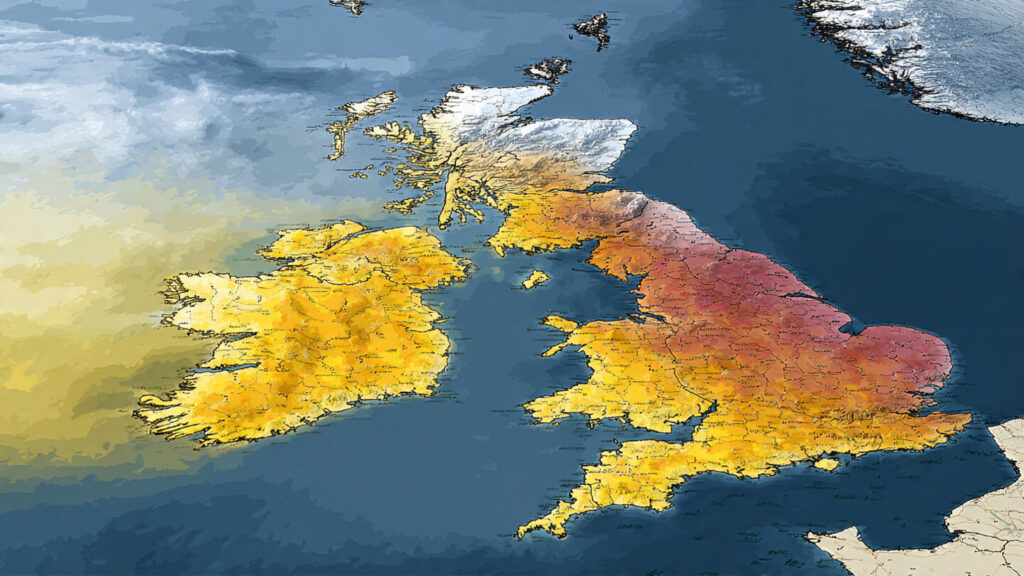
If you’re planning a trip to Ireland or already living on the Emerald Isle, you’ve probably heard about Met Éireann weather warnings. And honestly? You should be paying attention.
Ireland’s weather can shift from sunny skies to howling gales faster than you can say “grand soft day.” The country’s official meteorological service, Met Éireann, issues ireland weather warnings that range from minor inconveniences to genuinely dangerous situations. As of February 2026, marine warnings are already active along the coast, with east to southeast winds reaching Force 6 or higher.
Understanding these warnings isn’t just about avoiding a ruined picnic. It’s about safety, travel planning, and knowing when to postpone that cliff walk in County Clare.
How Ireland’s Weather Warning System Actually Works
Met Éireann uses a color-coded system that aligns with European Meteoalarm standards. Think of it like traffic lights, but for weather.
The Three Warning Levels You Need to Know
Status Yellow (Be Aware) This is your baseline alert. Yellow warnings aren’t unusual, but they signal conditions that could cause localized disruption. We’re talking about potential travel delays, minor property damage, or hazardous driving conditions.
Wind speeds hit 50-65 km/h with gusts up to 110 km/h. Rain accumulation ranges from 20-30mm in six hours to 30-50mm over 24 hours. For snow, expect at least 3cm within a day.
Status Orange (Be Prepared)
Now things get serious. Orange warnings are infrequent and indicate dangerous or significantly disruptive weather. This level often leads to power outages, flight cancellations, and road closures.
Wind speeds jump to 65-80 km/h with gusts reaching 110-130 km/h. Rainfall intensifies to 30-50mm in just six hours. Snow accumulation hits 10cm or more in 24 hours.
Status Red (Take Action)
Rare but critical. Red warnings mean extremely dangerous conditions with widespread severe impacts. During a Red alert, you should avoid all unnecessary travel.
We’re talking wind speeds exceeding 80 km/h with gusts over 130 km/h, rainfall surpassing 50mm in six hours, or snow dumps exceeding 30cm in a day.
What Types of Hazards Get Warnings in Ireland?
Ireland weather warnings cover more than just rain (though there’s plenty of that). The system monitors wind, snow and ice, temperature extremes, fog, thunderstorms, and coastal conditions.
Some warnings are seasonal. Between May and September, you’ll see yellow-level alerts for potato blight, UV radiation, and pollen levels. These won’t disrupt your vacation, but they’re important for farmers and allergy sufferers.
Marine warnings deserve special mention. If you’re planning coastal activities or boat trips, pay attention to Small Craft warnings (Force 6+ winds up to 10 nautical miles offshore) and more severe Gale, Storm, or Hurricane Force warnings extending to 30 nautical miles out.
Current Ireland Weather Warnings (February 2026)
As I’m writing this, Met Éireann has issued marine Small Craft warnings for Monday, February 9, 2026. East to southeast winds are reaching Force 6 or higher in offshore areas during two windows: 3:00-11:00 AM and 11:00 AM-5:00 PM.
Earlier this month, nationwide Yellow rain advisories blanketed southern and eastern coastal regions. The concern? Heavy persistent rainfall hitting already saturated ground, increasing flood risk.
Northern Ireland saw similar Yellow rain warnings in counties like Antrim, Derry, and Tyrone, with 50-100mm of rainfall expected and subsequent school closures.
This pattern isn’t unusual for early 2026. The ground across Ireland remains waterlogged from winter storms, which means even moderate rainfall can trigger flooding that wouldn’t normally occur.
Ireland’s Recent Storm History (What You Can Learn From It)
Ireland has weathered some fierce storms recently, and they reveal important patterns about Irish weather warnings.
Storm Bram (December 2025) brought Orange wind warnings nationwide. Flights were grounded, flooding hit multiple regions, and thousands lost power. This wasn’t a Red-level event, but it still caused significant disruption.
Storm Chandra (January 2026) focused on Northern Ireland with Yellow rain warnings. Schools closed preemptively as 50-100mm of rain was forecast.
Going further back, February 9, 1988—exactly 38 years before today—saw storm-force winds sweep across Ireland. And the legendary Night of the Big Wind in 1839 remains Ireland’s most devastating storm event, with hurricane-force winds killing hundreds and destroying infrastructure.
The takeaway? Orange and even Yellow warnings shouldn’t be dismissed. Ireland’s weather can be genuinely hazardous.
How Warning Levels Are Actually Decided
Met Éireann forecasters issue warnings daily between 10 AM and midday, with updates as conditions change. They can forecast up to 60 hours ahead for warnings, and advisories extend up to a week out.
But it’s not purely numbers-driven. Forecasters apply professional judgment based on likely impacts. For example, the same rainfall amount hits differently depending on whether the ground is already saturated or bone dry.
Higher warning levels can be issued when impacts exceed normal criteria—like when heavy rain coincides with high tides, creating coastal flooding that neither factor would cause alone.
What These Warnings Mean for Travelers and Residents
Here’s where theory meets reality.
During Yellow warnings, you can usually proceed with plans but stay flexible. Check conditions before heading out. Coastal walks might be windier than expected. Driving could take longer.
Orange warnings demand respect. Reconsider outdoor activities. Secure loose objects around your property. Stock up on essentials in case power goes out. If you’re visiting tourist sites like the Cliffs of Moher or Giant’s Causeway, they may close for safety.
Red warnings mean cancel your plans. Stay indoors. Don’t drive unless absolutely necessary. Tourist attractions will be closed. Public transport will likely be suspended.
How to Stay Updated on Ireland Weather Warnings
Met Éireann’s website and mobile app are your primary sources. Enable push notifications for warnings in your area.
The Met Éireann warnings page shows all active alerts with detailed maps. You can sign up for email alerts targeted to specific counties.
MapAlerter.ie offers localized alerts based on your exact location—useful if you’re traveling around the country.
Social media is surprisingly effective. Follow @MetEireann on Twitter for real-time updates. @weatheralertsireland provides additional community-sourced information.
Traditional media still matters. RTÉ broadcasts weather warnings during news programs. If you’re out at sea, marine warnings are broadcast on VHF Channel 16.
Why Ireland Gets So Many Weather Warnings
Ireland’s position in the North Atlantic makes it a magnet for rapidly changing weather systems. Warm Gulf Stream waters meet cold northern air, creating volatile conditions.
The relatively small island also means weather systems can affect the entire country quickly. What starts as a Yellow warning in Kerry can escalate to Orange across Munster within hours.
Climate patterns are shifting too. While individual storms can’t be directly attributed to climate change, the overall trend shows more frequent intense rainfall events and stronger winter storms hitting Ireland and the UK.
Final Thoughts: Don’t Ignore the Warnings
I’ve seen too many tourists (and locals who should know better) dismiss Yellow warnings as overreaction. Then they’re stuck on a coastal road in horizontal rain wondering why they didn’t check the forecast.
Ireland weather warnings exist for good reason. Met Éireann employs expert meteorologists who understand Ireland’s unique weather patterns. When they issue an alert, conditions warrant attention.
Download the Met Éireann app before your trip. Check warnings each morning. Build flexibility into your itinerary. Ireland’s beauty is worth experiencing safely.
And if you see a Red warning? Stay inside, make a cup of tea, and wait it out. The cliffs will still be there tomorrow.
Stay safe, stay informed, and enjoy Ireland—whatever weather it throws at you.
☕ Buy Me a Coffee