The Rise of Multi-Agent AI: Why 2026 Could Be the Turning Point for Intelligent Workflows
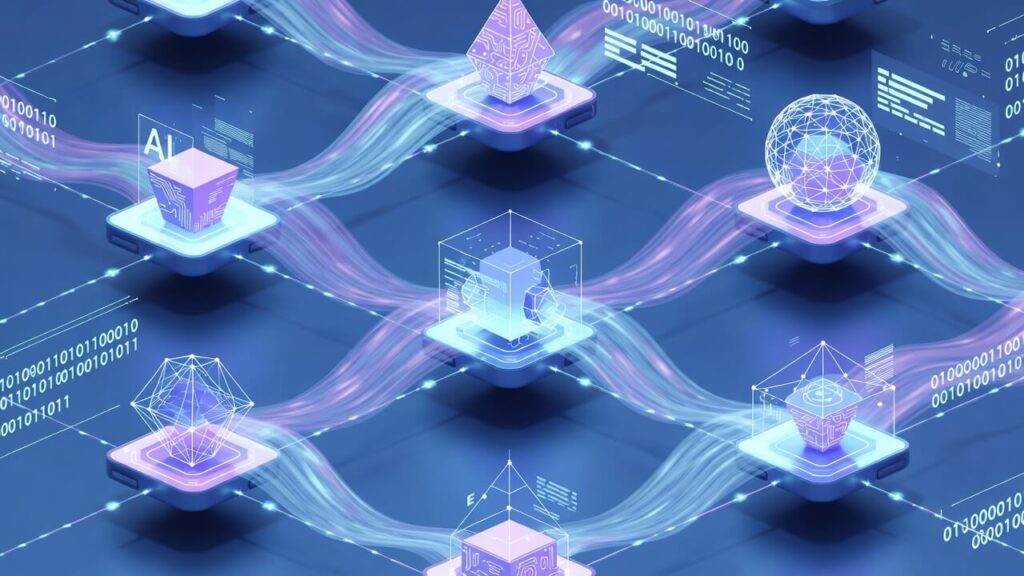
Artificial Intelligence is no longer just about chatbots answering questions.
In 2026, the real shift is happening behind the scenes: AI systems are beginning to work in coordinated teams — not as single models, but as multi-agent systems.
This architectural shift could redefine how businesses automate operations, make decisions, and scale digital workflows.
Here’s what that means — and why it matters.
What Is Multi-Agent AI?
Traditional AI systems operate as a single model handling a task. Even advanced large language models (LLMs) function as centralized engines responding to prompts.
Multi-Agent AI systems are different.
They consist of:
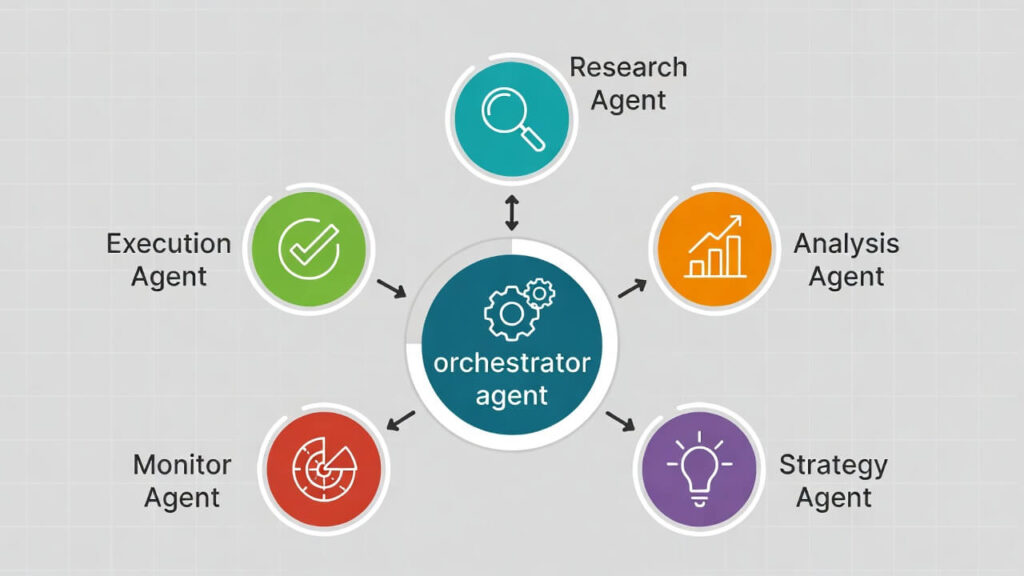
- Multiple specialized AI agents
- Each assigned a defined role
- Coordinated through orchestration logic
- Capable of delegating tasks to one another
Think of it less like a chatbot — and more like a digital team.
For example:
- One agent gathers data
- Another analyzes it
- Another verifies compliance
- Another drafts a report
- A supervisor agent reviews everything before final output
Instead of one “super AI,” you get distributed intelligence.
Why Multi-Agent Systems Are Gaining Attention in 2026
Several forces are driving this shift:
1️⃣ Complexity of Enterprise Workflows
Modern businesses run on layered systems:
- CRM tools
- ERP platforms
- Compliance frameworks
- Real-time analytics
- Cross-border regulations
Single-model AI often struggles with multi-step processes requiring memory, validation, and coordination.
Multi-agent architectures solve this by breaking large problems into modular responsibilities.
2️⃣ Reliability & Error Reduction
One major limitation of large language models is hallucination or overconfidence in incorrect outputs.
In multi-agent systems:
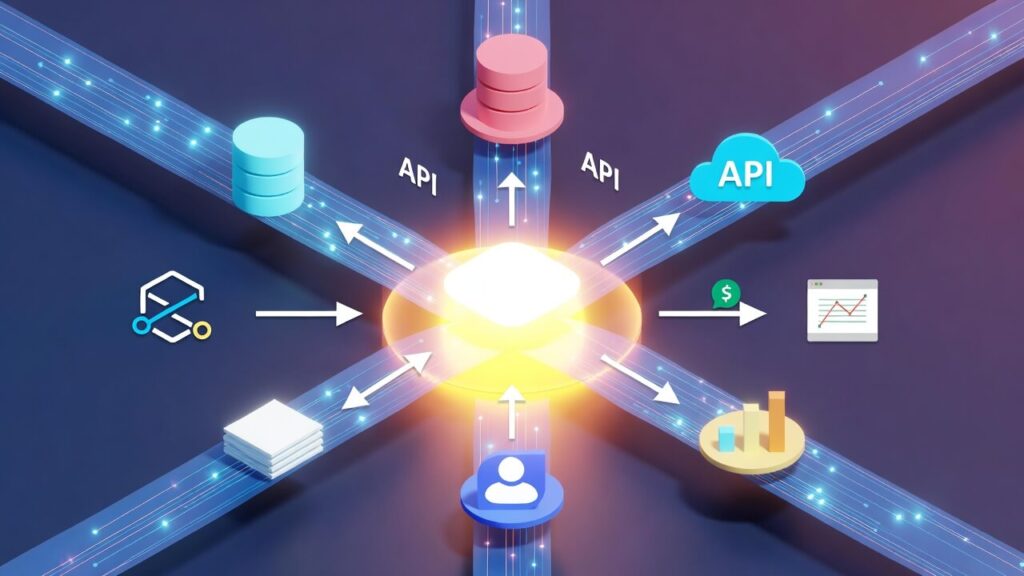
- Agents can cross-check each other
- Verification agents can validate outputs
- External API calls can confirm data accuracy
This layered validation increases system reliability — a key requirement for enterprise adoption.
3️⃣ Cost Optimization
Running a single large model continuously is expensive.
Multi-agent systems allow:
- Smaller specialized models for specific tasks
- Strategic invocation of large models only when necessary
- Better resource allocation
For businesses operating at scale, this architecture reduces compute costs while maintaining performance.
4️⃣ Regulatory & Governance Pressures
As AI regulations expand globally — including:
- The EU AI Act
- Digital Services Act frameworks
- Emerging U.S. AI governance proposals
Organizations must demonstrate transparency, traceability, and risk management.
Multi-agent systems can:
- Log decision chains
- Track agent-level responsibility
- Maintain structured audit trails
This makes them more adaptable to compliance-heavy industries such as finance, healthcare, and defense.
Real-World Applications Emerging Now
Multi-agent systems are already being tested and deployed in:
• Financial Analysis
AI agents that:
- Collect market data
- Assess risk exposure
- Generate scenario simulations
- Produce executive-level summaries
• Customer Operations
Instead of a single chatbot:
- One agent interprets intent
- Another accesses internal knowledge bases
- Another handles billing verification
- Another manages escalation
• Software Development
AI agents collaborate to:
- Write code
- Test it
- Debug errors
- Document changes
- Monitor performance post-deployment
• Aerospace & Defense Simulation
Multi-agent simulations are used for:
- Strategic modeling
- Threat scenario evaluation
- Autonomous coordination systems
Are We Replacing Humans?
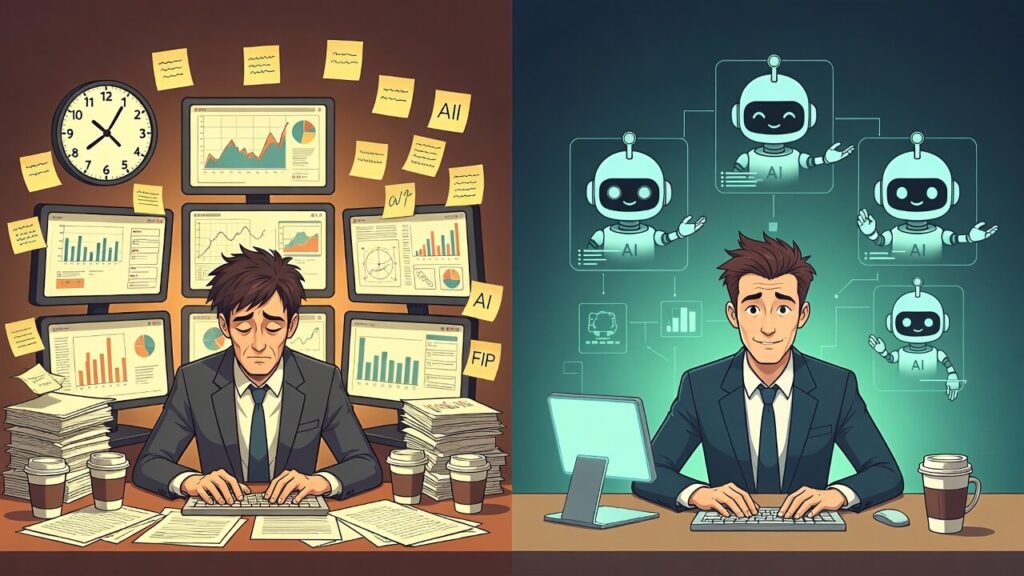
No — not in the simplistic way headlines suggest.
What’s changing is task structure.
AI agents are beginning to:
- Handle repetitive coordination
- Reduce manual data transfer
- Automate compliance reporting
- Support high-speed analysis
But strategic thinking, ethical oversight, and high-level decision-making remain human-driven — especially in regulated industries.
The real shift is augmentation, not elimination.
Risks & Challenges
Multi-agent AI is not without problems.
⚠️ Orchestration Complexity
Designing agent collaboration frameworks requires advanced engineering.
⚠️ Security Risks
More agents = larger attack surface if poorly implemented.
⚠️ Over-Automation
Blind delegation without human checkpoints can amplify errors.
The technology is powerful — but governance will determine its long-term success.
Why 2026 Could Be the Inflection Point
Three indicators suggest acceleration:
- Rapid enterprise experimentation with AI orchestration frameworks
- Growth of open-source agent coordination tools
- Increased regulatory clarity in major global markets
The market is moving from:
“Let’s test AI.”
to
“How do we scale AI responsibly?”
Multi-agent systems provide that bridge.
Final Perspective
The AI conversation is evolving.
The question is no longer:
“Can AI answer questions?”
It is becoming:
“Can AI coordinate work?”
Multi-agent architectures may represent the next structural layer of digital infrastructure — much like cloud computing redefined IT a decade ago.
Businesses that understand this shift early will likely gain operational leverage.
Those that ignore it may find themselves adapting later under pressure.
References
- European Commission – EU Artificial Intelligence Act Overview
- Gartner Research – Emerging Trends in AI System Architecture
- OpenAI & Anthropic developer documentation on AI orchestration frameworks
- Hugging Face – Open-source AI deployment tools
- Industry reports on enterprise AI adoption trends (2025–2026)
About the Author
LKSD is an independent tech writer and web publisher at EvidentWeb.com.
☕ Buy Me a Coffee


Follow The Evident in Facebook – https://www.facebook.com/profile.php?id=61585241763784
Pingback: Transform Your Life: AI in Everyday Life Made Simple - The Evident