Epstein Files: Everything We Know About the Massive Document Releases
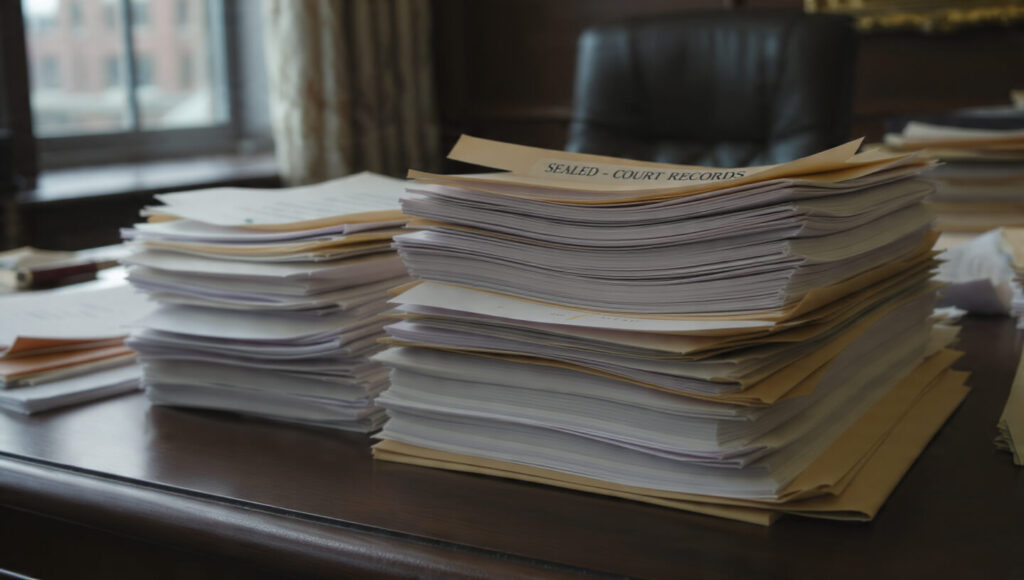
The Epstein files have dominated headlines since late 2025, and for good reason. We’re talking about millions of pages—literally over 6 million documents spanning emails, court transcripts, flight logs, and investigative records related to Jeffrey Epstein’s sex trafficking operation.
But here’s what most people don’t realize: despite all the noise on social media about “secret lists” and bombshell revelations, less than 1% of the total Epstein files have been made public as of early February 2026. The rest? Still heavily redacted or unreleased, fueling endless speculation and political finger-pointing.
If you’ve been trying to separate fact from fiction about what these documents actually contain, you’re in the right place. This guide breaks down the real story behind the releases, the legislation that forced them into daylight, and what we’ve actually learned so far.
What Are the Epstein Files?
The term “Epstein files” refers to the massive collection of documents generated from multiple investigations into Jeffrey Epstein, a financier who ran a sex trafficking ring targeting underage girls from roughly 1994 to 2004.
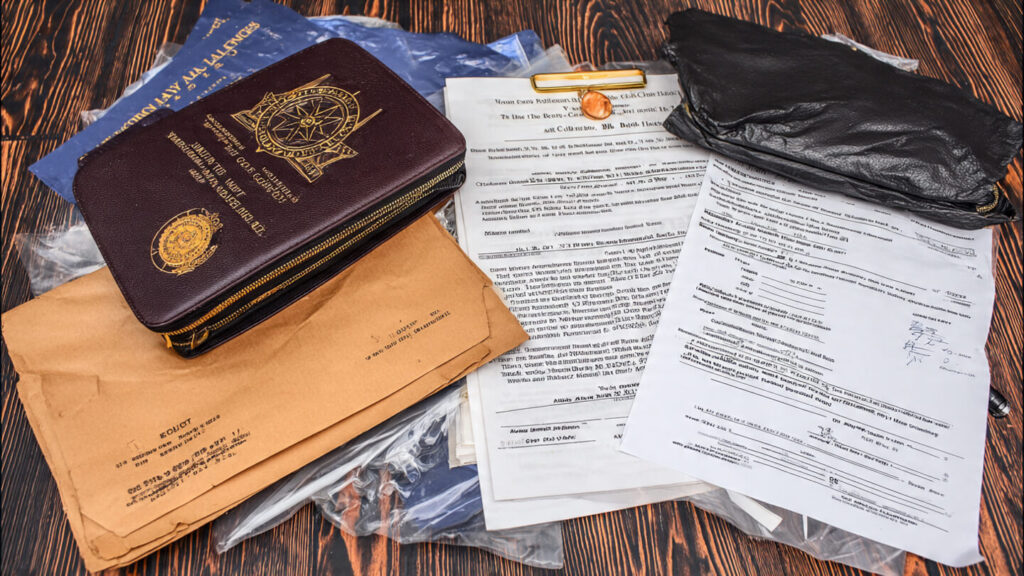
These aren’t just a few police reports. The files include:
- Court filings from civil lawsuits
- Grand jury transcripts from Florida (2006) and New York
- Emails between Epstein and various public figures
- Flight logs from his private jets
- Contact directories (the so-called “black books”)
- Psychological evaluations and jail records
- Financial records and suspicious activity reports
- Photos and videos from properties he owned
- Victim statements and witness interviews
The scope is staggering. Over 300GB of data. Most of it remained sealed for years under grand jury secrecy rules and privacy protections—until Congress decided enough was enough.
The Law That Changed Everything
In November 2025, President Trump signed the Epstein Files Transparency Act into law. This wasn’t some symbolic gesture. The legislation, officially H.R. 4405, mandated that the Department of Justice disclose investigative materials that had been locked away for decades.
The law specifically required:
- Release of emails, grand jury records, and detention documents
- Summaries explaining any redactions
- A hard prohibition against withholding information just because it might embarrass someone politically
The first major deadline was December 19, 2025. The DOJ missed it. Then they missed subsequent deadlines. By late January 2026, only about 3 million pages had trickled out—a fraction of what exists. Both Democrats and Republicans have criticized the delays, though each party accuses the other of protecting their own.
It’s hard not to wonder if the slow-walking is intentional. When you’re dealing with files that mention former presidents, tech billionaires, and British royalty, bureaucratic caution suddenly becomes very convenient.
What the Grand Jury Transcripts Revealed
One of the most damning releases came from Florida’s 2006 grand jury proceedings. These 150 pages showed that prosecutors knew Jeffrey Epstein was raping teenage girls years before his infamous sweetheart plea deal.
Victims testified in graphic detail about being paid for sex acts and recruited to bring other underage girls into the operation. Some were as young as 14. The evidence was overwhelming.
Yet Epstein walked away with just 13 months in county jail with work-release privileges. He was allowed to leave custody 12 hours a day, six days a week. The grand jury had heard testimony about systematic abuse, but he was only indicted on minor prostitution charges.
That 2008 deal has haunted the justice system ever since. It gave Epstein years to continue his activities before federal prosecutors finally rearrested him in 2019.
Flight Logs, Black Books, and the “Client List” Myth
Let’s address the elephant in the room: there is no verified “client list.”
What actually exists are phone directories and flight logs. Ghislaine Maxwell, Epstein’s key associate who was convicted of sex trafficking in 2021, compiled contact books containing hundreds of names. These included everyone from Hollywood celebrities to politicians to scientists.
Being in someone’s phone book doesn’t make you a criminal. The files released so far show connections to Bill Clinton, Donald Trump, Prince Andrew, Elon Musk, Bill Gates, and many others. Most of these mentions are completely mundane—a meeting here, a phone call there.
The reality is messier and less sensational than conspiracy theorists want to believe. Yes, Epstein cultivated relationships with powerful people. No, that doesn’t automatically mean they participated in his crimes. About 20 individuals have been specifically accused as offenders in the December 2025 document batch, but most names appear in passing.
Notable Names and What We Actually Know
The Epstein files do mention numerous high-profile individuals. Here’s what the documents actually say:
Donald Trump: Emails reference him spending time with a victim, a 2002 quote calling Epstein a “terrific guy,” flight logs, and correspondence. Trump banned Epstein from Mar-a-Lago in 2007 and has consistently denied wrongdoing.
Bill Clinton: Frequent appearances in flight logs, though no accusations of illegal activity. His name appears in victim interviews discussing island visits.
Prince Andrew: Settled a lawsuit with Virginia Giuffre, who accused him of sexual abuse. The files include references to their interactions.
Tech figures: Meetings with Elon Musk and Peter Thiel are documented in emails. Bill Gates has publicly stated he regretted his association with Epstein.
The pattern you see across most of these names? Contact, yes. Evidence of criminal activity in the files? No.
The Redaction Problem
Here’s where things get frustrating for anyone seeking transparency. The DOJ has released documents with 550+ pages completely blacked out. Sixteen files mysteriously vanished after initial release.
Critics argue these redactions protect “politically exposed persons” rather than genuine privacy concerns or ongoing investigations. When a law explicitly prohibits withholding information for political embarrassment, yet massive portions remain hidden, people rightfully ask questions.
Both political parties have weaponized this. Republicans claim Democrats are shielding Bill Clinton. Democrats suggest the Trump administration is protecting its own. The truth probably involves protecting multiple powerful individuals across the political spectrum.
What About Ghislaine Maxwell?
Maxwell is currently serving a 20-year sentence for recruiting and grooming victims for Epstein’s trafficking operation. In a 2025 interview, she denied Trump’s involvement in any criminal activity.
She was recently transferred to a lower-security prison, sparking speculation about a potential pardon. Whether that happens remains to be seen, but her cooperation—or lack thereof—continues to shape what information becomes public.
Why These Files Matter Beyond the Headlines

Strip away the political theater and conspiracy theories, and you’re left with something important: over 100 victims who deserve acknowledgment and justice.
The Epstein estate has paid $155 million to 125+ survivors so far. But money doesn’t erase what happened. These files document a systematic failure—law enforcement knew, prosecutors knew, and Epstein kept operating for years anyway.
The 2008 plea deal stands as one of the most egregious examples of wealth and connections corrupting the justice process. The Transparency Act exists because that failure demanded accountability, even posthumously.
What Happens Next
As of February 2026, the releases continue at a glacial pace. Senator Schumer and others are maintaining pressure on the DOJ to comply fully with the law.
Searchable databases have been created by watchdog groups and media organizations, making it easier for the public to examine what’s available. The House Oversight Committee has published photos and documents on official platforms.
But the bigger question remains unanswered: will we ever see the full 6 million pages, or will the most sensitive portions stay buried behind redactions and legal maneuvering?
The Bottom Line
The Epstein files represent one of the most significant transparency efforts in recent memory. They’ve confirmed what many suspected—Epstein operated with impunity for far too long, his connections shielded him from accountability, and the justice system failed his victims spectacularly.
What the files haven’t done is support the wildest conspiracy theories. No blackmail operations have been proven. No secret trafficking rings involving dozens of celebrities have been uncovered. Most of what’s been released is tragically mundane: emails, phone records, and the bureaucratic paper trail of a criminal investigation.
If you’re following the Epstein files story, focus on what the documents actually say, not what social media claims they say. The truth is disturbing enough without embellishment. And for the victims who’ve waited decades for acknowledgment, accuracy matters more than sensationalism.
The releases will continue throughout 2026. Stay informed, stay skeptical, and remember that justice delayed has already been justice denied for far too many people.
☕ Buy Me a Coffee
Pingback: Simulation Hypothesis: 7 Shocking Facts About Reality - The Evident