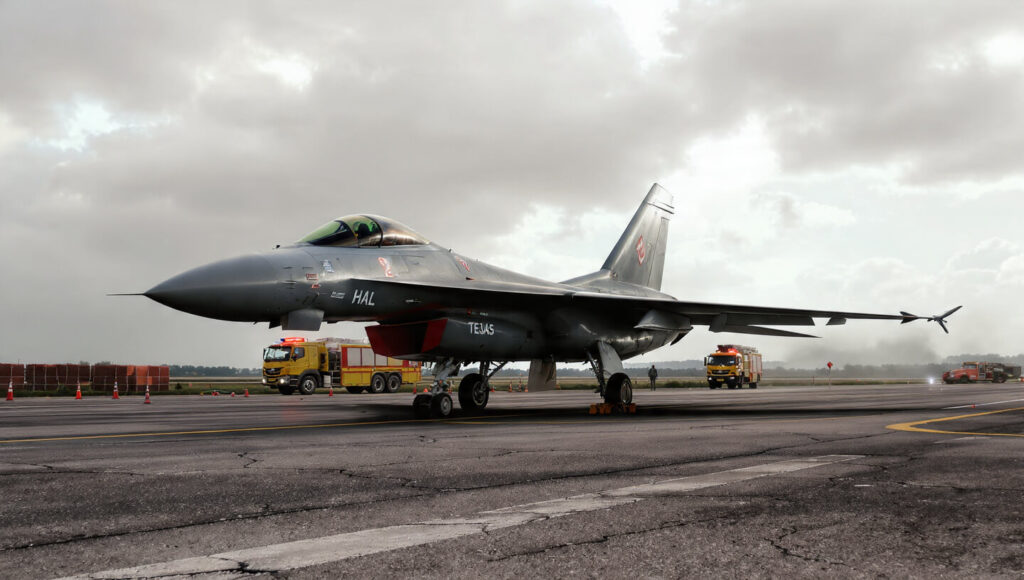
The HAL Tejas crash in February 2026 is more than just another aviation mishap. It is the third time in under two years that India’s pride-and-joy indigenous fighter jet has gone down — and this time, the Indian Air Force responded by grounding its entire fleet of 32 operational single-seat Tejas Mk1 aircraft. For a program that was supposed to redefine India’s defense self-reliance, three crashes in quick succession raise difficult questions that go beyond the runway.
Whether you follow geopolitics, defense procurement, or just want to understand what is happening with one of Asia’s most ambitious military aviation projects, this situation deserves a clear-eyed look. The story isn’t just about a plane veering off a runway. It’s about decades of ambition, the pressure of national pride, and the engineering reality check that no amount of political goodwill can indefinitely delay.
What Exactly Happened in the HAL Tejas Crash 2026
Details remain partially under wraps because the Indian Air Force has not yet released an official public statement. What sources have pieced together is this: a Tejas Light Combat Aircraft returning from a routine training sortie at an undisclosed airbase experienced what is suspected to be a brake failure immediately after touchdown. The aircraft failed to decelerate properly, ran off the end of the runway, and dropped into a ditch alongside it.
The pilot ejected in time and survived with only minor injuries — a testament to the reliability of the ejection system even when everything else goes wrong. The airframe, however, sustained severe structural damage and is considered a total write-off. A Court of Inquiry has been convened to determine the precise technical cause, but preliminary assessments are pointing firmly at the braking system.
A pilot walks away, but a Tejas doesn’t. That’s two aircraft lost in less than twelve months — and the third crash overall for a fleet that numbers just over thirty.
Brake failures after landing are not unheard of in military aviation globally. High-speed military landings place extraordinary stress on hydraulic braking systems, carbon-fiber brake discs, and anti-skid technology. What makes this particular incident alarming is its timing — arriving on the heels of two other crashes, one of which was fatal.
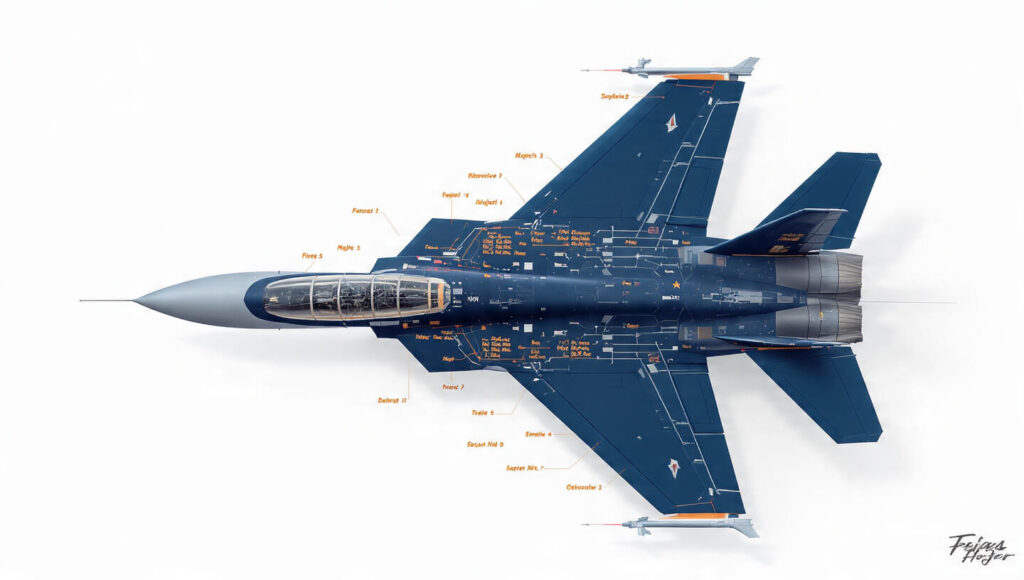
A Timeline of Tejas Crashes: Three Incidents, Three Very Different Stories
Understanding the February 2026 accident requires context. The Tejas program’s crash record, while small in absolute numbers given the fleet size, has accelerated in a troubling way since early 2024.
| Date | Location | Incident Summary | Pilot Outcome | Cause Status |
|---|---|---|---|---|
| March 2024 | Jaisalmer, Rajasthan | Crashed during operational training near a residential area following a firepower demonstration. First-ever Tejas crash. | Ejected Safely | Under Investigation |
| November 2025 | Dubai Airshow | Nosedived during a low-altitude aerobatic display involving a negative-G maneuver; aircraft exploded near the runway in front of spectators. | Fatal — Pilot Unable to Eject | Inquiry Ongoing |
| February 2026 | Undisclosed Indian Airbase | Post-landing brake failure caused the aircraft to veer off the runway and into a ditch during a routine training sortie. | Ejected Safely, Minor Injuries | Suspected Brake Failure; COI Underway |
Each of these three incidents tells a different technical story. The Jaisalmer crash happened mid-training flight, the Dubai airshow disaster involved extreme aerobatic stress at dangerously low altitude, and the February 2026 incident occurred during what should be the most routine phase of any flight — landing. That variety actually makes the pattern more concerning, not less. There isn’t one systemic flaw to isolate and fix. There are potentially multiple vulnerabilities across different phases of flight.
The Dubai Airshow Crash: The One That Hit Hardest
Of the three, the November 2025 incident at the Dubai Airshow carries the most weight — emotionally, diplomatically, and reputationally. The airshow was supposed to be a showcase moment for Indian defense exports. Tejas had been generating serious interest from several countries, including Malaysia and Argentina. Losing a jet — and its pilot — during a public aerobatic display, captured on video by thousands of spectators, was a catastrophic blow to the program’s international marketing effort. Investigators have pointed toward pilot error during a complex negative-G turn at insufficient altitude, but the inquiry is still ongoing.
Why the IAF Grounded the Entire Tejas Fleet
When a military force grounds an entire class of aircraft, it means one of two things: either the cause of an accident is already known and clearly systemic, or the cause is unknown enough that commanders cannot guarantee the safety of the remaining aircraft. In this case, it’s the latter. A suspected brake failure is not yet a confirmed brake failure, and until investigators know exactly what happened, every Tejas Mk1 that lands poses a theoretical risk.
The IAF’s decision to ground all 32 operational single-seat Tejas Mk1 jets is a precautionary fleet-wide inspection, a review of maintenance protocols, and a halt to all training operations until every airframe gets cleared. This is the responsible call, but it carries real operational costs. These jets are part of active squadrons. Pulling them from the flight line affects training pipelines, readiness postures, and squadron morale.
What a Court of Inquiry Does: In the Indian military system, a Court of Inquiry (COI) is a formal investigation panel convened after significant incidents. For aircraft accidents, the COI examines flight data, maintenance logs, cockpit voice recordings, witness testimony, and physical wreckage. The findings typically result in either exoneration of the equipment with revised procedures, or a call for specific technical modifications before the fleet returns to service.
HAL — Hindustan Aeronautics Limited, the state-owned manufacturer — faces mounting scrutiny at a particularly awkward time. The company is already under pressure for production delays on the Tejas Mk1A variant, the significantly upgraded next-generation model for which the IAF has contracted 83 units. Those deliveries have slipped to March 2026 due to challenges sourcing the GE F404 engine from the United States and software integration hurdles for the advanced AESA radar. Three crashes and a fleet grounding do not make that conversation easier.
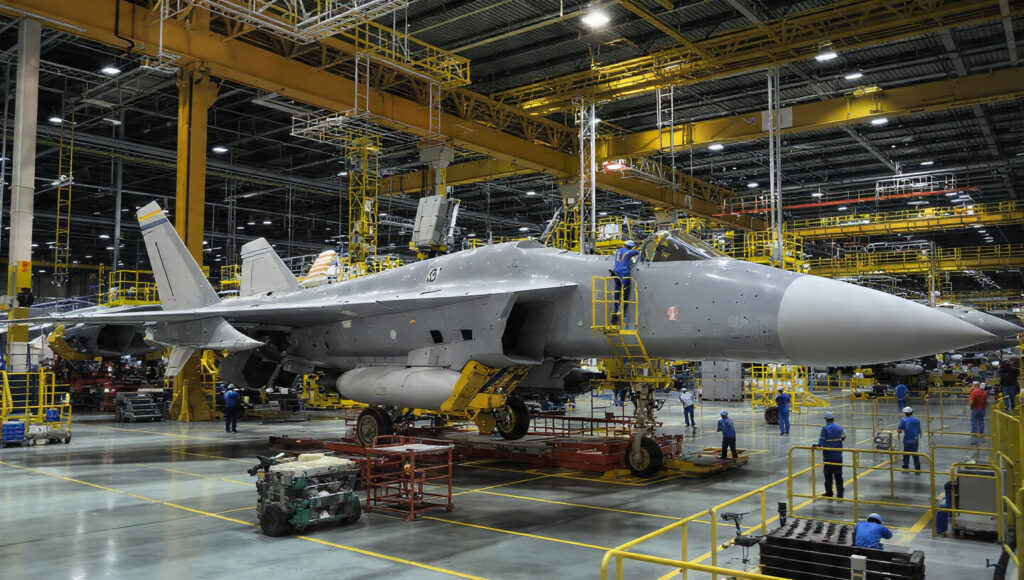
The HAL Tejas Program: Decades of Ambition, Years of Delays
To understand why these crashes sting so deeply, you have to understand what the Tejas represents to India. The program began in earnest in the 1980s when India decided it needed to reduce its dependence on foreign fighter jets — particularly Soviet and later Russian designs. The Aeronautical Development Agency was tasked with designing a light combat aircraft domestically, and HAL would build it.
The first Tejas prototype flew in 2001, but actual induction into the Indian Air Force didn’t happen until 2016 — a 15-year gap that drew considerable criticism and became something of a cautionary tale about the challenges of indigenous defense development. The jet is a single-engine, delta-wing multirole fighter, compact and agile by design, and its performance envelope has gradually expanded through successive Mark iterations.
What Makes the Tejas Technically Significant
Despite the delays and the recent accidents, the Tejas is not a bad aircraft. It incorporates fly-by-wire flight controls, a glass cockpit, and composite materials that keep its weight competitive. The Mk1A variant being developed adds active electronically scanned array radar, enhanced electronic warfare systems, and air-to-air refueling capability — features that bring it closer to contemporary fourth-generation fighter standards.
- Design: Single-engine, delta-wing, tailless configuration for high maneuverability
- Role: Multirole — air superiority, ground attack, and reconnaissance
- Engine: GE F404-IN20 turbofan (Mk1); same engine family for Mk1A
- Current Fleet: Two operational squadrons — the Flying Daggers (No. 45 Sqn) and the Flying Bullets (No. 18 Sqn)
- Export Ambitions: Malaysia, Argentina, Egypt, and several others have been in procurement discussions
The export pipeline is where the reputational stakes are highest right now. Countries considering Tejas purchases are watching these crashes carefully. Defense procurement decisions are long-term commitments worth billions of dollars. Confidence in platform safety is non-negotiable in those conversations.
What These Crashes Mean for India’s Defense Ambitions
India’s “Make in India” defense initiative has positioned the Tejas as a flagship success story — the symbol that India can develop and field sophisticated military hardware without relying entirely on foreign suppliers. That narrative depends heavily on the aircraft performing reliably. Three crashes in two years, including one fatal accident at an international airshow, complicates that story in ways that press releases and official assurances cannot simply smooth over.
The broader implications extend to the IAF’s modernization roadmap. The Air Force is operating aging fleets of MiG-21s (which have their own fraught safety record), and the plan was always for Tejas squadrons to gradually fill the gap as older jets retired. A prolonged grounding or loss of confidence in the Mk1 platform could disrupt that sequencing significantly.
Indigenous programs are always harder than they look. The gap between a first flight and a reliable combat-ready aircraft is where nations learn the most expensive lessons.
There is also the question of what comes next. The Mk1A deliveries are already delayed. If the current inquiry surfaces fundamental systemic issues — rather than localized maintenance failures — HAL and the IAF face tough decisions about whether Mk1A needs retrofitted solutions before deliveries begin.
India Is Not Alone in Struggling with Indigenous Fighter Programs
For some perspective: Japan’s Mitsubishi F-2 program, South Korea’s KF-21 Boramae, and even Sweden’s early Gripen development all encountered serious growing pains. Indigenous fighter jet programs are among the most technically demanding undertakings in modern engineering. The question for India is whether the Tejas program can absorb these setbacks, learn from them methodically, and emerge with a more robust platform — or whether the political pressure to accelerate deliveries will outpace the engineering fixes required.
The HAL Tejas Crash 2026: What to Watch Next
The February 2026 Tejas brake failure incident is not the end of India’s indigenous fighter jet program. Programs survive crashes. What they don’t easily survive is a pattern of crashes without transparent investigations, actionable findings, and visible corrective measures. The IAF’s decision to ground the fleet is the right move. The Court of Inquiry’s findings will be the real test of whether institutional honesty prevails over institutional pride.
As the Mk1A deliveries inch toward their revised March 2026 deadline, and as export negotiations with potential partner countries hang in the balance, the next few months will define the trajectory of the Tejas program for years to come. Follow along — the story is far from over.
Want to stay updated on India’s defense developments?
Support EvidentWeb
🔗 You Might Also Like
Why India School Holiday on February 13 Confuses Millions of Parents Every Year
📅 February 13, 2026
Is there an India school holiday on February 13? No national holiday exists, but weather, bandhs, and state rules often create confusion…
Read Full Breakdown →