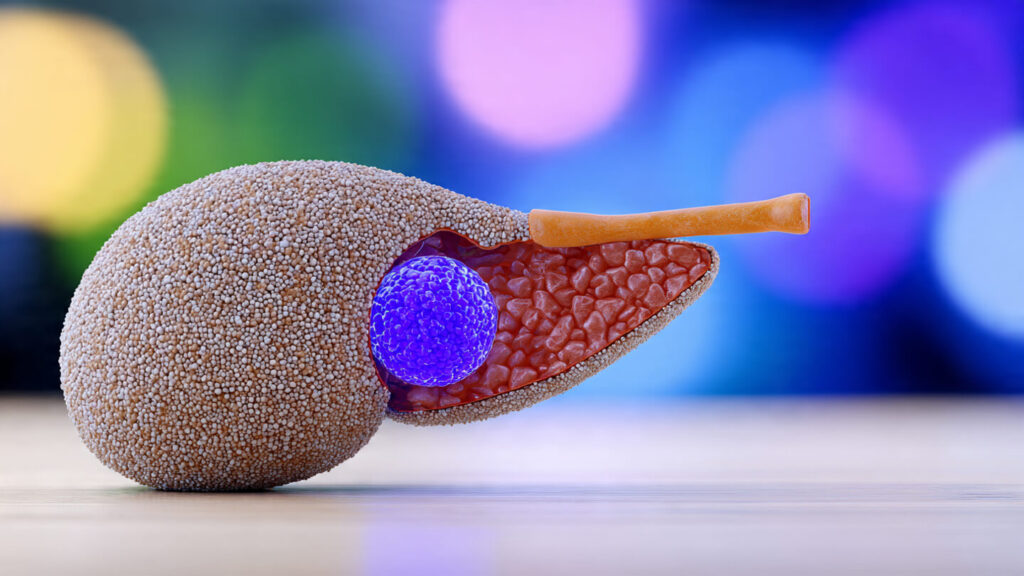
If you search “pancreatic cancer cure” today, the results are filled with cautious hope, experimental breakthroughs, and frustrating reminders of how deadly this disease still is. Pancreatic cancer remains one of the toughest cancers to treat—but something important has changed. For the first time in decades, survival is inching upward, early detection tools are improving, and immunotherapy is no longer a distant dream.
This is not a miracle-cure story. It’s a progress story—slow, complex, but real.
What Is Pancreatic Cancer, and Why Is It So Deadly?
Pancreatic cancer starts in the pancreas, a small but essential organ tucked behind the stomach. It plays a dual role: helping digest food and regulating blood sugar through hormones like insulin.
Over 95% of cases are pancreatic ductal adenocarcinoma (PDAC), an aggressive form that grows silently and spreads early. A smaller group—pancreatic neuroendocrine tumors (PanNETs)—tends to grow more slowly and often has better outcomes.
What makes pancreatic cancer especially lethal is a brutal combination of factors:
- Few early symptoms
- No routine screening for the general population
- Rapid spread to nearby blood vessels
- A tumor environment that resists most treatments
By the time many people are diagnosed, the cancer has already advanced.
Pancreatic Cancer by the Numbers (Global Reality Check)
The global burden of pancreatic cancer is rising fast:
- 510,000+ new cases worldwide (2022)
- 467,000+ deaths in the same year
- Projected to nearly double by 2050
- 6th leading cause of cancer deaths globally
In the United States, pancreatic cancer accounts for only 3.2% of new cancer diagnoses, yet causes over 8% of all cancer deaths. The lifetime risk is about 1 in 59.
The overall 5-year survival rate is roughly 13%, and for advanced disease, it remains far lower.
Risk Factors You Should Actually Care About
Some risk factors are unavoidable. Others are not.
Major risk factors include:
- Smoking (linked to ~25% of cases)
- Obesity
- Type 2 diabetes
- Chronic pancreatitis
- Heavy alcohol use
- Age over 65
- Male sex (slightly higher risk)
Genetic and hereditary risks:
About 5–10% of pancreatic cancers are inherited. Known genetic links include:
- BRCA2 mutations
- Lynch syndrome
- Peutz–Jeghers syndrome
- Hereditary pancreatitis
A strong family history can double your risk, making genetic counseling and surveillance critical.
Symptoms: Why Early Detection Is So Hard
Early pancreatic cancer is usually silent. When symptoms appear, the disease is often advanced.
Common warning signs include:
- Jaundice (yellowing of skin or eyes)
- Upper abdominal or back pain
- Unexplained weight loss
- Fatigue and appetite loss
- Pale stools or dark urine
- Sudden-onset diabetes in adults
These symptoms are vague—and easily mistaken for other conditions.
Is There Screening for Pancreatic Cancer?
For the general population, no. That’s one of the biggest challenges.
However, high-risk individuals (strong family history or known genetic syndromes) are advised to undergo annual surveillance, typically using:
- Endoscopic ultrasound (EUS)
- MRI scans
Screening often starts between ages 35–50, or 10 years earlier than the youngest diagnosed family member.
The promising news:
New liquid biopsy tests combining CA19-9 with exosomal markers have shown up to 97% accuracy in detecting early-stage disease in trials. These tests are not yet standard—but they could be game-changing.
Diagnosis and Staging: Where Survival Is Decided
Diagnosis usually involves imaging (CT, MRI, EUS) followed by biopsy confirmation.
Doctors also use the CA19-9 blood test, which is helpful for:
- Monitoring treatment response
- Tracking recurrence
But it’s not reliable for early detection on its own.
Stages at diagnosis:
- Stage I: Confined to the pancreas
- Stage II: Spread to nearby tissue or lymph nodes
- Stage III: Involves major blood vessels
- Stage IV: Distant metastasis (over 50% of cases at diagnosis)
5-year survival by stage:
- Localized: ~44%
- Regional: ~15%
- Distant: ~3%
Stage at diagnosis remains the single biggest predictor of survival.
Current Treatment Options: What Actually Works Today?

Surgery (The Only Potential Cure—for Some)
Only about 20% of patients qualify for surgery at diagnosis.
- Whipple procedure: Removes the pancreatic head and nearby organs
- Distal pancreatectomy: Removes the tail or body
When combined with chemotherapy, surgery can push 5-year survival into the 20–30% range.
Chemotherapy
Standard regimens include:
- FOLFIRINOX
- Gemcitabine + nab-paclitaxel
- NALIRIFOX (emerging option)
Chemotherapy is used before surgery, after surgery, or as primary treatment for advanced disease.
Targeted and Supportive Care
- Targeted therapy for BRCA-mutated tumors
- Radiation for select cases
- Palliative treatments to manage pain, jaundice, and digestion
Is There a Cure for Pancreatic Cancer Yet?
Short answer: No definitive cure—yet.
But this is where the story shifts.
Breakthrough Research Bringing New Hope
mRNA Vaccines (Yes, Like COVID—But Personalized)

Personalized mRNA neoantigen vaccines train the immune system to recognize an individual’s tumor.
Early trials show:
- Strong T-cell responses
- Reduced recurrence after surgery
- Acceptable safety profiles
This approach targets minimal residual disease, where cure may finally be possible.
Immunotherapy Is Finally Cracking the Code
Pancreatic cancer has long been considered an “immune-cold” tumor. That’s changing.
Promising strategies include:
- CAR-T cell therapies targeting multiple tumor antigens
- CD40 agonists combined with chemotherapy
- Drugs that reprogram the tumor stroma, making it vulnerable
Some patients in early trials have shown real tumor regression.
Targeting KRAS and Other Pathways
KRAS mutations drive most pancreatic cancers. New triple-combination therapies targeting KRAS pathways have caused tumor regression in animal models and are entering human trials.
Other emerging targets, like PI3K-C2γ, may act as tumor suppressors.
Who Is Driving This Progress?
Organizations leading the charge include:
- Pancreatic Cancer Action Network (PanCAN)
- NIH and NCI
- Cancer Research Institute
- Worldwide Cancer Research
PanCAN alone committed $34 million in new research grants in 2025, with an ambitious goal: 20% survival by 2030.
Clinical trials listed on platforms like ClinicalTrials.gov are testing vaccines, KRAS inhibitors, and next-gen immunotherapies right now.
Can Pancreatic Cancer Be Prevented?
There’s no guaranteed prevention—but risk can be reduced.
Practical steps:
- Quit smoking
- Maintain a healthy weight
- Manage diabetes carefully
- Limit alcohol use
- Seek genetic counseling if at high risk
Lifestyle changes may reduce risk by 30–50%, especially when combined.
Final Thoughts: Why the Pancreatic Cancer Cure Conversation Matters
The pancreatic cancer cure hasn’t arrived yet—but the field is no longer stuck. For the first time, researchers are attacking the disease from multiple angles: early detection, immune activation, genetic targeting, and post-surgical prevention.
If you or someone you love is affected, staying informed—and considering clinical trials—can open doors that didn’t exist a decade ago.
Progress may be slow, but for pancreatic cancer, even slow progress saves lives.