SpaceX xAI Acquisition: The Bold Plan to Move AI Computing Into Orbit
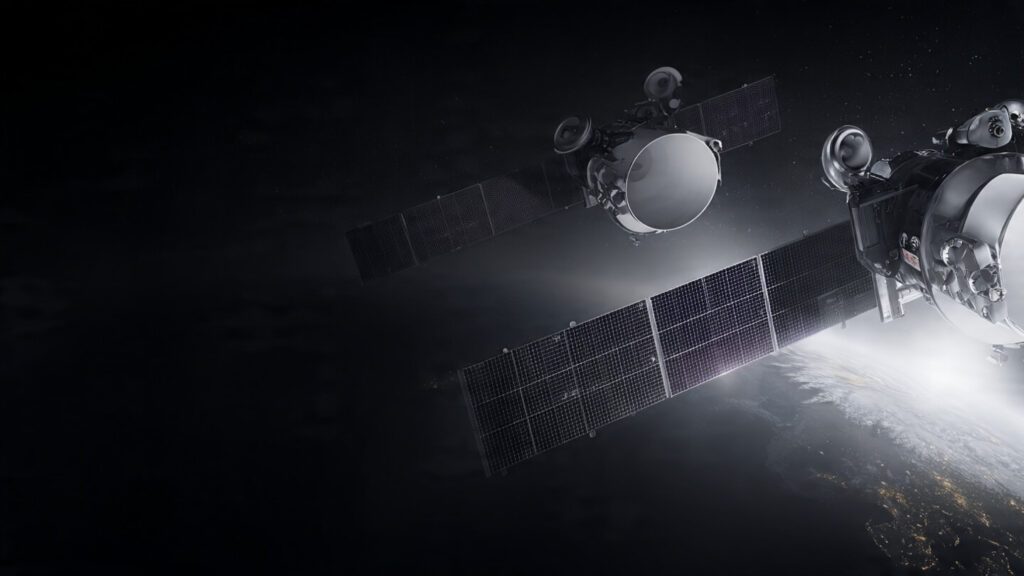
The SpaceX xAI acquisition didn’t arrive quietly. It landed like a stage-zero rocket ignition, loud enough to shake both the AI industry and the space sector at the same time.
When SpaceX confirmed it had acquired xAI in early February 2026, the headline numbers grabbed attention first. A private company valued north of a trillion dollars. A possible IPO whispering in the background. But the real story sits deeper, in what this merger signals about the future of computing itself.
This isn’t just another tech consolidation. It’s an attempt to move the physical foundations of artificial intelligence off Earth.
And once you see the logic, it’s hard to unsee it.
Why the SpaceX xAI Acquisition Actually Makes Sense
At first glance, rockets and chatbots don’t seem like natural companions. But the SpaceX xAI acquisition connects two problems that have been quietly colliding for years.
AI is hitting physical limits on Earth.
Space has resources Earth doesn’t.
Modern AI models consume staggering amounts of electricity. Training large models strains power grids, overheats data centers, and forces companies into uncomfortable trade-offs between scale and sustainability. Cooling alone has become a hidden bottleneck.
Space, on the other hand, offers three things AI desperately wants:
- Constant solar energy
- Near-infinite physical expansion room
- A naturally cold environment
Once you frame it that way, putting AI infrastructure into orbit stops sounding like science fiction and starts sounding like a power-engineering solution.
A Brief History Leading to the Merger
This acquisition didn’t appear out of nowhere.
SpaceX and xAI had been circling each other for months through investments, shared data pipelines, and quiet integrations. SpaceX’s earlier multibillion-dollar investment in xAI signaled strategic intent long before any formal announcement.
By late January 2026, reports emerged of internal briefings and merger preparations through SpaceX-linked entities. When the announcement finally came, it felt less like a surprise and more like a confirmation of what insiders already suspected.
The companies were already operating like one ecosystem.
The Strategic Vision: Orbital AI Data Centers
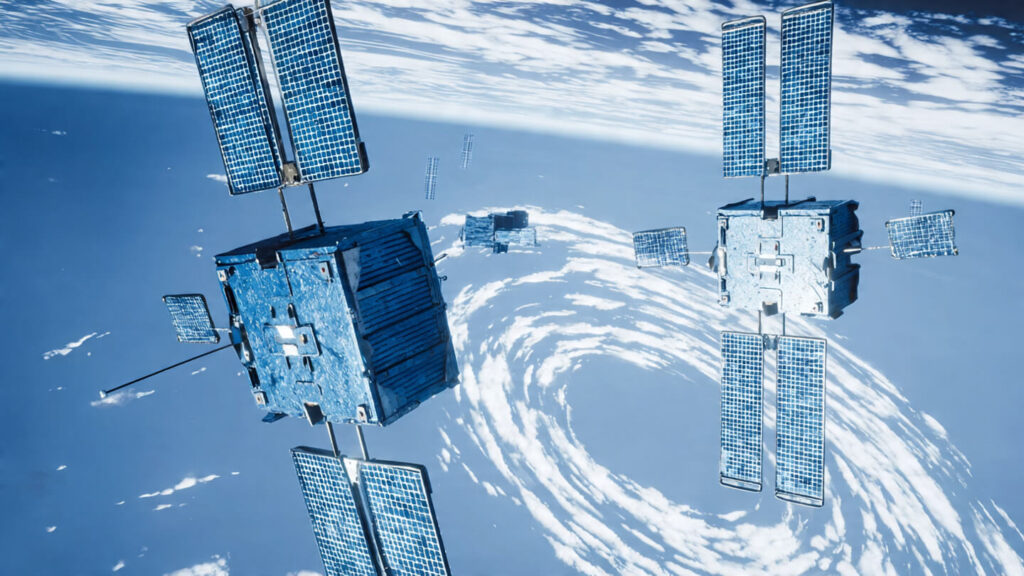
The most ambitious element of the SpaceX xAI acquisition is the plan to deploy orbital AI data centers.
Not symbolic satellites.
Not experimental prototypes.
Actual compute infrastructure designed to process AI workloads in orbit.
Why Orbit Beats Earth for AI Scaling
Earth-based AI infrastructure faces compounding constraints:
- Rising energy costs
- Environmental backlash
- Cooling inefficiencies
- Limited land availability
Orbital platforms flip that equation.
Solar panels in low Earth orbit receive near-constant sunlight. Heat can be radiated directly into space. And scaling doesn’t require rezoning land or negotiating with power utilities.
From an engineering standpoint, it’s almost unfair.
How Starship Changes the Economics of Space Computing

Without Starship, this idea would remain theoretical.
Starship’s reusable heavy-lift design dramatically lowers the cost per kilogram to orbit. That matters because AI hardware is dense, heavy, and power-hungry.
The SpaceX xAI acquisition only works because Starship exists as a delivery mechanism for:
- Next-generation AI accelerators
- Modular orbital compute platforms
- Large solar arrays
- Laser-based inter-satellite networking hardware
When launch costs drop, orbital infrastructure stops being exotic and starts being competitive.
The Role of Satellites and Laser Networking
Regulatory filings suggest plans for massive satellite shells functioning as distributed AI nodes. These satellites wouldn’t just relay data like traditional communications hardware.
They would compute.
Using laser inter-satellite links, AI workloads could move across orbital networks at high speed, enabling:
- Low-latency AI inference
- Real-time global data processing
- Autonomous system coordination
In practical terms, this could mean AI systems responding faster than Earth-based data centers for global users.
That’s not incremental. That’s architectural.
Grok, Starlink, and a Vertically Integrated AI Stack

The SpaceX xAI acquisition also tightens control over data, distribution, and deployment.
Grok, xAI’s flagship model, already touches multiple parts of the Musk ecosystem. With SpaceX folded in, the feedback loop accelerates.
- Starlink provides real-time global data streams
- Satellites generate Earth observation data at scale
- Grok processes, learns, and adapts
- Insights feed back into logistics, navigation, and autonomy
This kind of closed-loop system is difficult for competitors to replicate without owning both infrastructure and intelligence.
That advantage compounds over time.
How AI Could Transform SpaceX Internally
While orbital AI grabs headlines, internal optimization may deliver quieter wins.
AI systems can already assist with:
- Rocket design simulations
- Launch scheduling optimization
- Supply chain forecasting
- Predictive maintenance
With xAI integrated, SpaceX gains tighter control over these systems instead of relying on third-party models.
There’s a subtle benefit here that’s easy to miss. When AI is trained on proprietary operational data, it stops being generic and starts becoming institutional memory.
That’s powerful.
Regulatory and Technical Challenges Ahead
None of this is guaranteed to work smoothly.
Orbital data centers introduce new engineering problems:
- Radiation exposure to sensitive hardware
- Long-term reliability without human servicing
- Launch cadence risks
- Orbital debris management
Regulatory hurdles may prove even tougher. Deploying massive satellite constellations requires approvals that balance innovation with congestion and safety.
And public scrutiny will follow. Moving compute off Earth doesn’t make ethical concerns disappear. It just relocates them.
Ethical Questions Around AI at Orbital Scale
As AI systems grow more autonomous, control becomes more important, not less.
Critics have already raised concerns about loosened content restrictions and data usage practices tied to xAI. Scaling those systems globally, with near-instant response times, raises legitimate governance questions.
Power without friction always attracts attention.
How these systems are constrained may matter as much as how powerful they become.
What This Means for the AI Industry
The SpaceX xAI acquisition introduces a new competitive axis.
Instead of racing only on algorithms, companies may now race on where computing happens.
Earth-bound hyperscalers still dominate today, but orbital infrastructure offers a long-term alternative path. If successful, it could reduce dependence on terrestrial power grids and rewrite cost models for large-scale AI.
Even rivals who doubt the vision will be forced to account for it.
That alone makes the move strategically effective.
A Glimpse at the Bigger Picture
There’s a pattern here that feels intentional.
Electric vehicles.
Global internet.
Artificial intelligence.
Reusable rockets.
Each solves a standalone problem. Together, they start resembling a multi-planetary technology stack.
It’s not subtle anymore.
Final Thoughts: Why This Merger Matters
The SpaceX xAI acquisition isn’t just about corporate valuation or headline-grabbing ambition. It’s about redefining where intelligence lives.
If AI remains Earth-bound, it competes for limited resources. If it moves into orbit, it taps into abundance.
Whether this vision succeeds or stumbles, it marks a turning point. The idea that computing infrastructure must stay grounded no longer feels permanent.
And once that assumption breaks, everything else starts to move.
If you’re tracking the future of AI, space technology, or global infrastructure, this is one story worth watching closely.
☕ Buy Me a Coffee