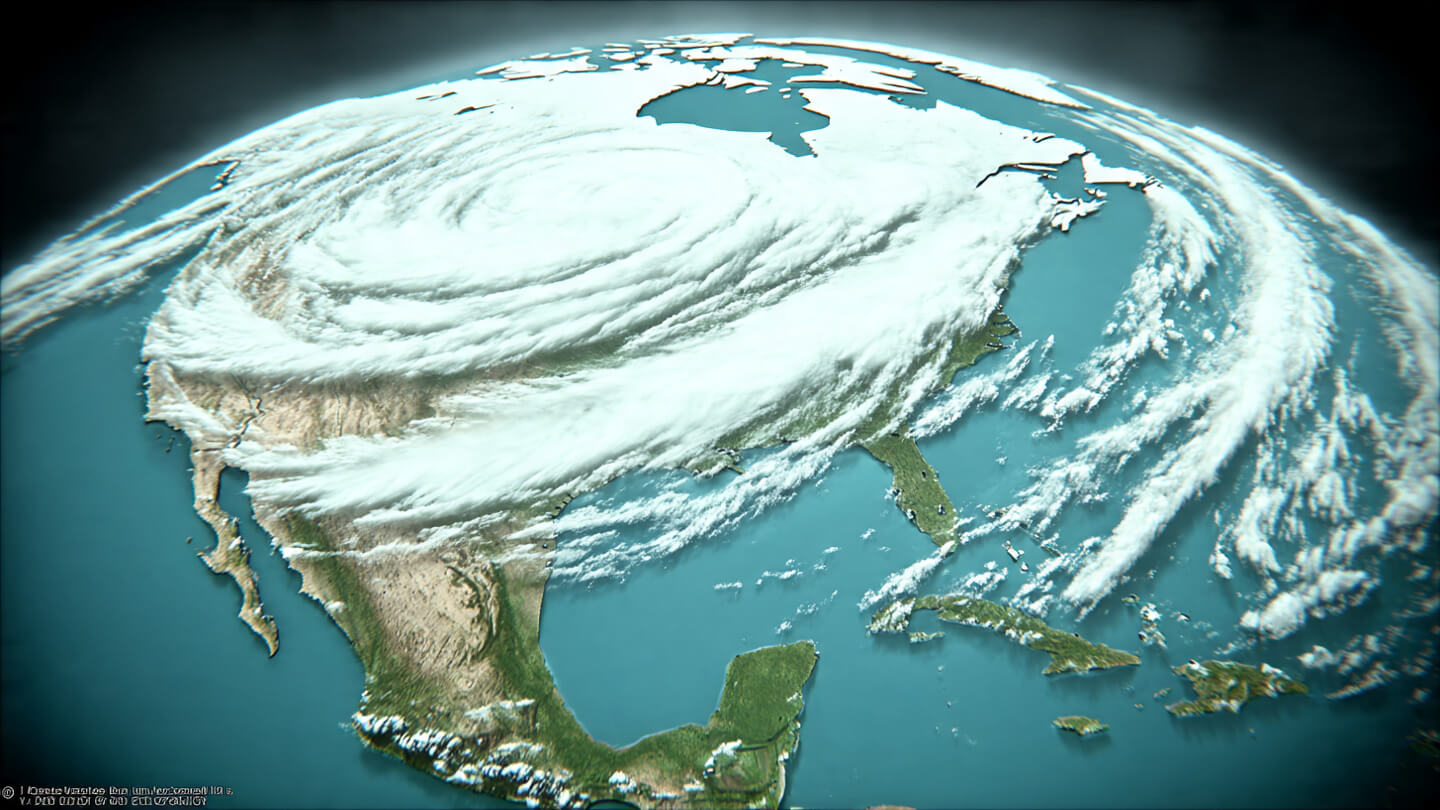
Winter storms in the USA are no longer confined to the northern states or predictable seasonal patterns. From rare snowfall in the Deep South to prolonged blizzards across the Midwest and Northeast, these events are increasingly disruptive—testing infrastructure, emergency response systems, and human resilience.
A Season That Refused to Stay in Its Lane
The January 9–11, 2025 winter storm marked a turning point. Originating over the warm waters of the Gulf of Mexico, the system surged northward with unusual intensity. Snow fell where it was least expected. Parts of Georgia and the Carolinas recorded up to 12 inches—amounts typically associated with northern states.
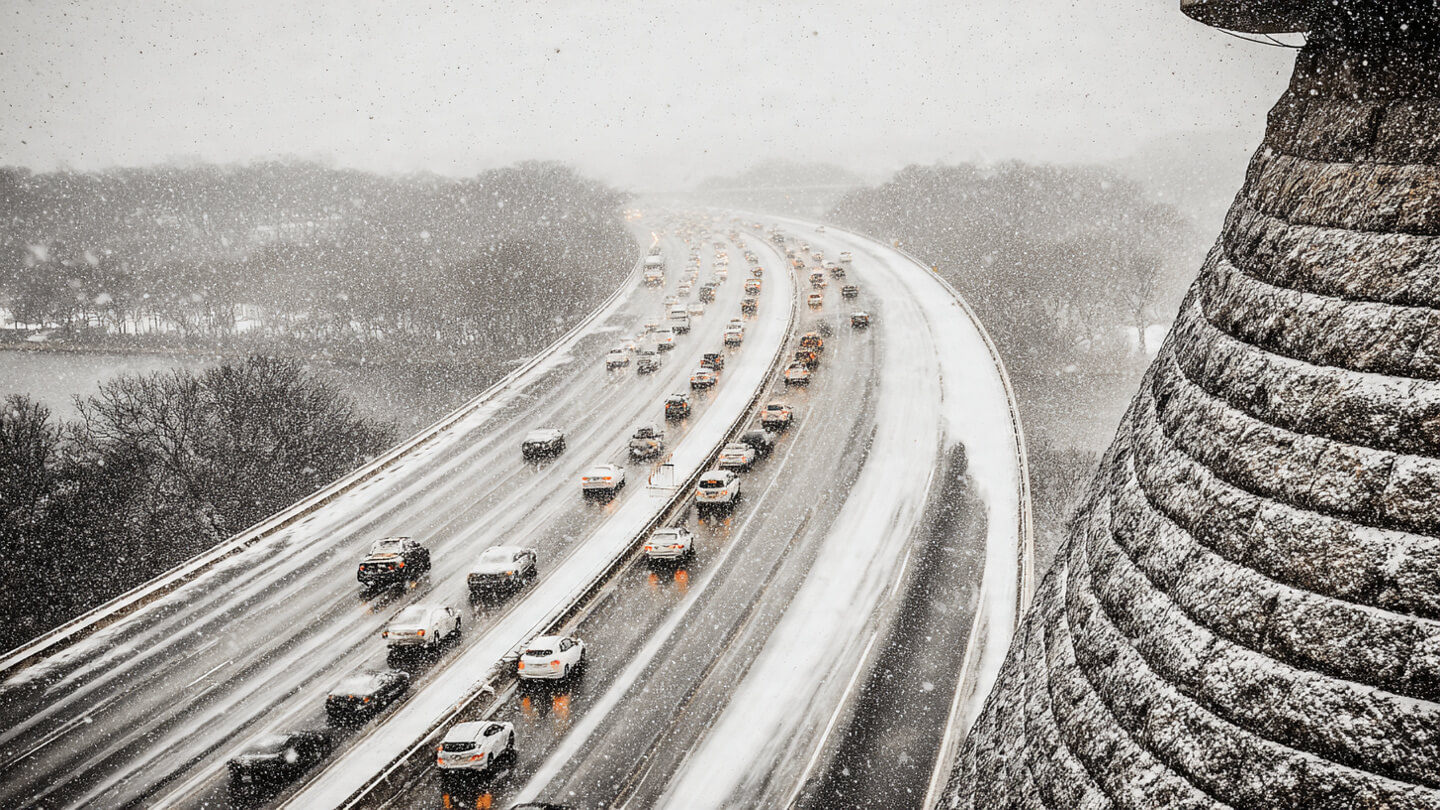
Atlanta, a city often criticized for limited snow preparedness, once again found itself gridlocked. Highways turned into parking lots, schools closed, and emergency services struggled to respond. Further north, freezing rain coated power lines and trees, triggering outages that affected millions.
Barely weeks later, December 13–15 brought another major storm, this time hammering the Mid-Atlantic and New England. Snowfall totals of 6–12 inches were widespread. At least six deaths were attributed to hazardous road conditions, while more than 40,000 customers lost power. Earlier December systems had already placed 16 million Americans under winter weather advisories, foreshadowing what would become a relentless season.
Why Winter Storms in the USA Are Becoming More Severe
Winter storms are not new to the United States, but their behavior is changing. Meteorologists point to shifts in atmospheric dynamics—particularly disruptions in the polar vortex. As Arctic air plunges southward and collides with warm, moisture-rich air from the Gulf of Mexico, storms intensify rapidly.
Some systems now qualify as “bomb cyclones,” experiencing dramatic pressure drops within 24 hours. The result: snowfall rates of two to three inches per hour, fierce winds, and blizzard conditions that overwhelm both urban and rural areas.
Urban heat islands add another layer of complexity. Cities like Chicago and New York experience rapid freeze-thaw cycles, increasing ice formation on roads and sidewalks. In southern states, where winter infrastructure is limited, even modest snowfall can cause outsized chaos.
The Economic Toll of Frozen Days
The financial cost of winter storms is staggering. The January 2025 storm alone triggered thousands of flight cancellations, stranding travelers at major hubs such as Dallas–Fort Worth and Charlotte. Freight rail services were disrupted, Amtrak rerouted trains, and supply chains slowed during critical holiday periods.
Nationally, winter storms already cost the U.S. economy an estimated $10–20 billion annually. Inflation, rising energy prices, and aging infrastructure have pushed recent losses even higher. For southern states, emergency de-icing operations—often improvised—proved especially expensive.
Human Lives at the Center of the Crisis
Beyond numbers and forecasts lie human stories. Icy roads claimed dozens of lives through multi-vehicle collisions across Tennessee, Kentucky, and Pennsylvania. Hypothermia cases rose, particularly among elderly residents and those without reliable heating.
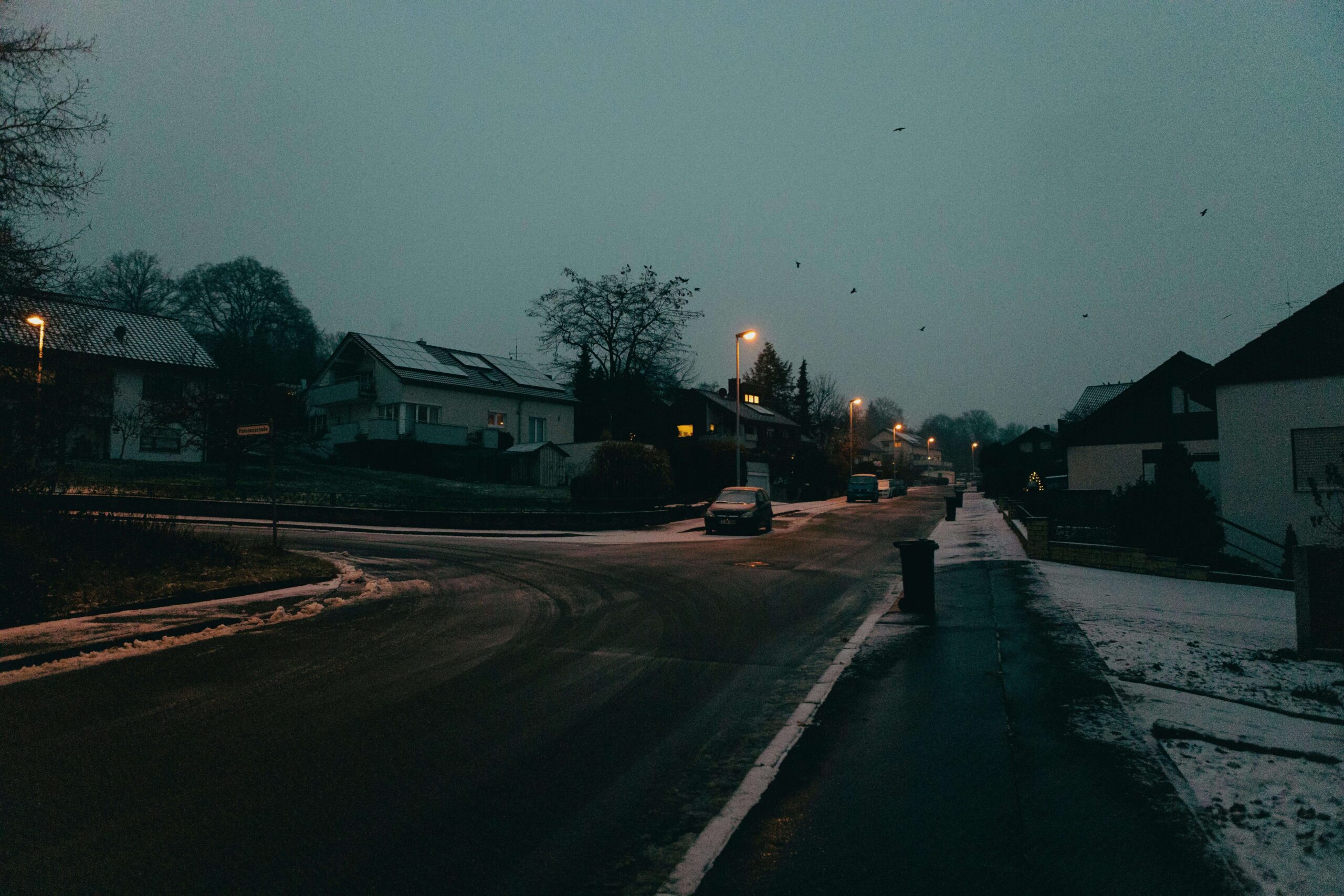
Power outages exposed vulnerabilities among low-income households and rural communities. In some areas, electricity remained unavailable for days, forcing reliance on generators and raising the risk of carbon monoxide poisoning.
Agriculture was not spared. Ice storms damaged fruit orchards in the Southeast, threatening future harvests, while livestock losses mounted across the Plains. Wildlife migration patterns were disrupted, and heavy snowpack raised concerns about spring flooding in eastern river basins.
Government Response: Progress and Persistent Gaps
Federal and state authorities moved quickly. FEMA deployments, National Guard rescues, and early warnings from the National Weather Service helped prevent even greater loss of life. Advanced forecasting models now predict storm paths with remarkable accuracy, often days in advance.
Yet preparedness remains uneven. Southern states continue to lack sufficient snow removal equipment, while aging power grids buckle under ice loads. Investments under the Bipartisan Infrastructure Law aim to modernize these systems, but progress is slow and unevenly distributed.
What the Rest of Winter—and the Future—May Hold
As of January 2026, storm activity has eased, though winter is far from over. Forecasters continue to monitor potential systems across the Great Lakes and Northeast. Climate models suggest that La Niña conditions may bring colder-than-average winters to the eastern United States.
Long-term projections are more concerning. By 2030, scientists warn that winter storms could become 10–15% more intense, driven by faster jet stream shifts and increased atmospheric moisture. The lesson is clear: adaptation must accelerate.
Preparing for the Next Storm
Preparation remains the most effective defense. Experts recommend:
- Maintaining a 72-hour emergency kit
- Insulating pipes and sealing drafts
- Avoiding unnecessary travel during storms
- Never operating generators indoors
- Staying informed via NOAA Weather Radio and trusted weather apps
Communities that plan ahead suffer fewer casualties and recover faster.
A Test of Resilience
Winter storms strip away the illusion of control. They expose weaknesses—but also resilience. From meteorologists refining forecasts to neighbors checking on one another, human response often determines the outcome as much as the weather itself.
As the climate continues to shift, the question is no longer whether the U.S. will face more severe winter storms—but how well it will adapt. Vigilance, investment, and public awareness will decide whether future winters bring only disruption—or lasting damage.
Published by evidentweb.com